The Best New Saunas in Norway — Most Exciting Recent Openings
Norway's sauna scene is booming. From dramatic fjord-side structures to urban floating platforms — these are the most exciting new sauna openings in Norway.
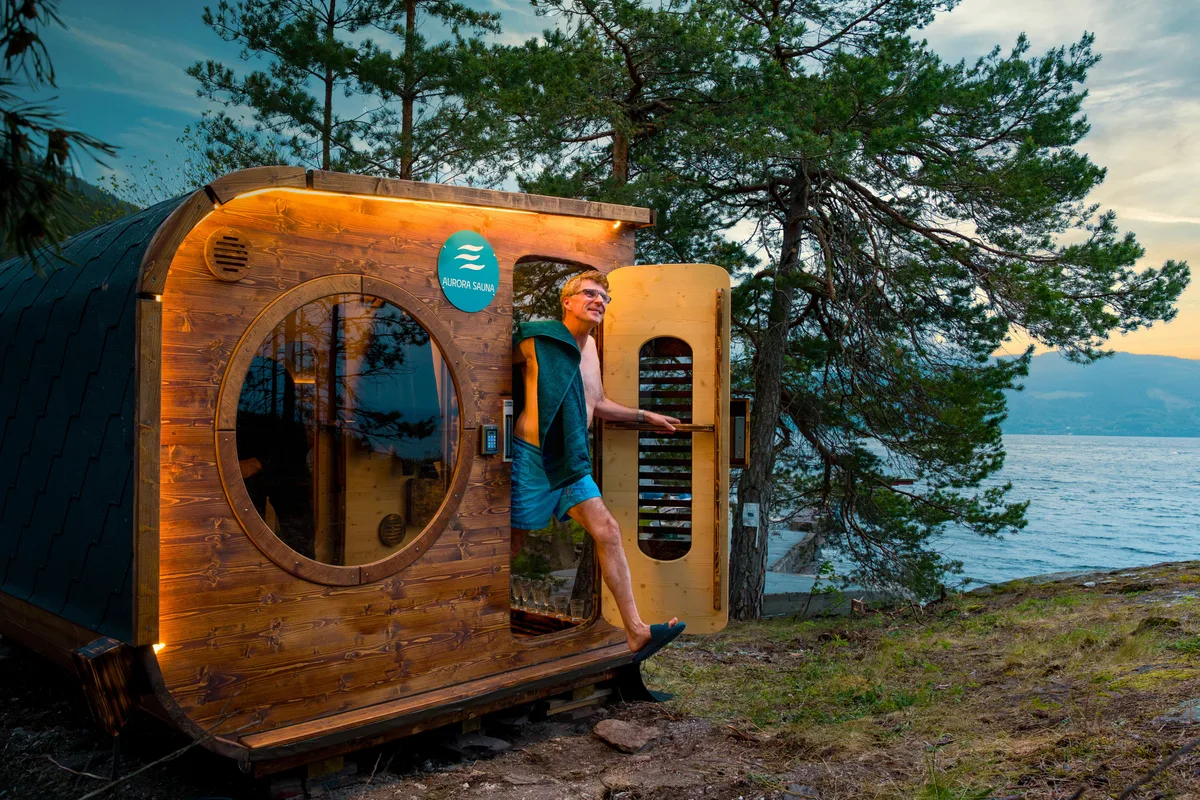
Something remarkable has happened to the Norwegian sauna in the past few years. An ancient Scandinavian tradition — a wooden cabin, a stove, some stones, and a body of water nearby — has become the subject of serious architectural ambition, thoughtful design investment, and genuine cultural excitement. The new generation of Norwegian saunas is not content to be merely functional. It wants to be beautiful, memorable, and deeply embedded in the landscape it inhabits.
This is Norway’s sauna renaissance. Architects who once specialised in cabins and mountain lodges are turning their attention to the sauna structure as a serious design brief. Entrepreneurs who might once have opened a restaurant or hotel are instead building sauna experiences that attract visitors from across Europe and beyond. The result is a wave of new openings that combine the primal simplicity of the heat-and-cold ritual with a level of craftsmanship and environmental sensitivity that is genuinely new.
The Most Architecturally Striking New Saunas
Some of the most exciting recent sauna openings in Norway are defined first and foremost by their visual identity — structures that have created a new relationship between the sauna form and the Norwegian landscape.
Mirror Sauna is the most talked-about new sauna structure in northern Norway. The exterior is clad entirely in mirror panels, reflecting the surrounding Arctic landscape in a constantly shifting montage of sky, water, and mountain. Depending on the season, the sauna appears to disappear into its surroundings entirely, or to multiply and fragment them. Inside, the experience is as traditional as it gets — wood, stone, heat, cold water outside. The contrast between the radical exterior and the elemental interior is precisely the point.
Spegle shares a conceptual interest in reflection and surface, but takes a different formal approach — a sculptural, faceted form that interacts with natural light in unexpected ways. The architecture here is about how a building can be simultaneously present and self-effacing in a landscape.
Wild Sauna Gudvangen is positioned in one of Norway’s most dramatically beautiful locations — the head of the Nærøyfjord, a UNESCO World Heritage Site. The structure here is designed to be worthy of its surroundings: a sauna experience that acknowledges the extraordinary landscape in which it sits, rather than competing with it.
New Floating Saunas
The floating sauna is Norway’s most successful sauna export — a concept that has spread from Oslo’s harbour to every navigable body of water in the country. But the new generation of floating saunas is pushing the format in interesting new directions.
Dypp Sauna is one of the most considered new floating sauna operations — a vessel designed with genuine attention to the relationship between the sauna interior and the surrounding water. The name means “dip” in Norwegian, which captures the essential promise: heat, then water, then heat again.
Fjordbu Sauna Urke is located in Urke, one of the most beautiful farm villages in inner Sunnmøre — a valley so steep and narrow that the mountain walls seem almost to meet overhead. The sauna here sits at the water’s edge, with the fjord on one side and the vertical rock face on the other. It is a floating sauna experience of remarkable intensity.
The Damp fleet — comprising Isla, Lohui, and Sanna — represents one of the most design-conscious approaches to the floating sauna in Stavanger. Each vessel is a distinct character in a carefully curated fleet, combining contemporary Scandinavian design with the essential simplicity of the sauna ritual. The result is a floating sauna experience that feels genuinely modern without losing the warmth — in every sense — of the tradition it comes from.
New Wilderness and Mountain Saunas
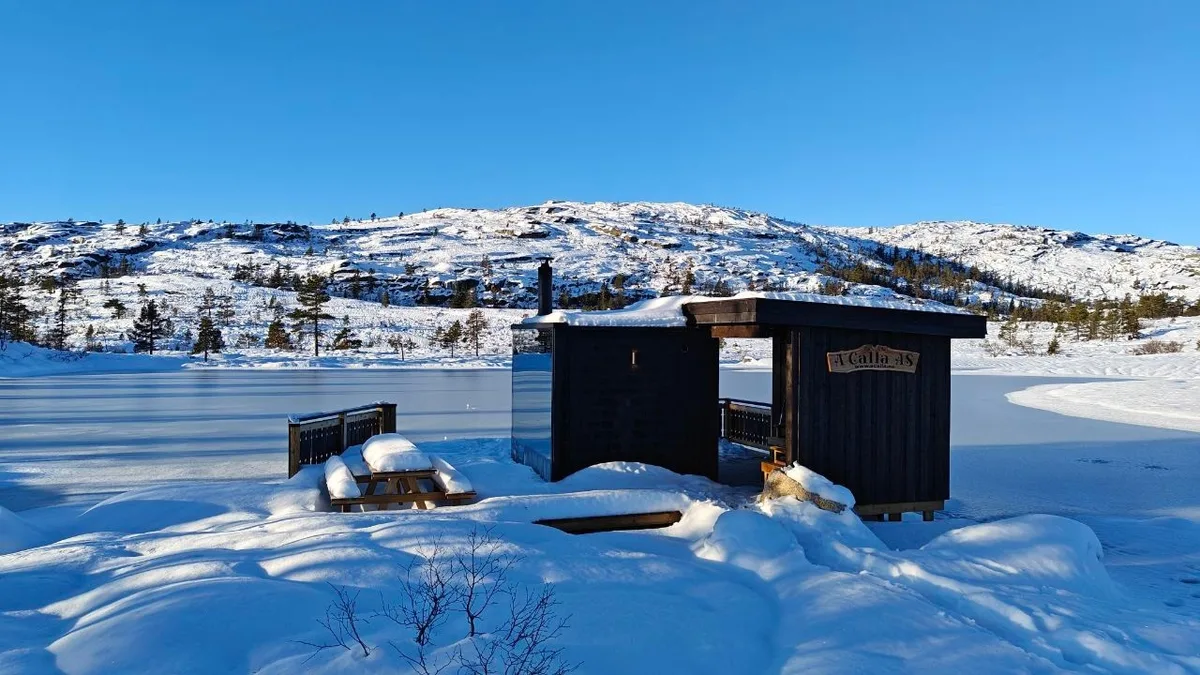
Some of the most exciting new saunas in Norway have rejected urban convenience entirely in favour of remoteness, nature, and the particular intensity of a sauna experience far from anything else.
Wonderinn Arctic combines the sauna with Arctic accommodation in a way that makes both experiences richer. Glass-walled cabins designed for Northern Lights viewing are paired with a sauna ritual that is itself deeply connected to the Arctic setting — the cold plunge here is emphatically cold, and the contrast with the sauna heat is correspondingly extreme.
Reed Sauna takes a different approach to wilderness — a structure that uses natural reed cladding to blend into a wetland landscape in a way that feels almost provisional, as though the sauna had grown there rather than been built. It is a quietly radical piece of thinking about how a building can relate to its natural setting.
Fyrig Sauna — the name means “fiery” — commits to the wood-fired tradition in an uncompromised setting, offering a heat experience that is emphatically elemental. This is not a sauna that hedges its bets with electric backup: it is wood, stone, and fire in a landscape that demands you pay attention.
New Urban Saunas
Not all of Norway’s new sauna energy is pointing toward the wilderness. Several exciting new venues have opened in or near Norwegian cities, bringing the sauna renaissance to urban settings.
SBK Base Sauna is one of the more interesting new urban sauna operations — a venue that serves as a base for a broader outdoor and wellness community, treating the sauna as a social and cultural anchor rather than simply a wellness amenity. The focus is on the ritual as community practice, which reflects a broader shift in how younger Norwegians are thinking about the sauna.
What Is Driving the Sauna Boom in Norway?
The timing of the current boom is not accidental. Several forces have converged to create a moment when the Norwegian sauna is attracting more interest, investment, and creative energy than at any point in recent memory.
One is the broader global wellness movement — a growing recognition in many countries of the documented health benefits of regular sauna use, including improved cardiovascular function, stress reduction, and post-exercise recovery. As scientific evidence has accumulated, the sauna has moved from folk tradition to evidence-based practice. For Norway, which has always had the tradition, this means that what was once a domestic custom is now a marketable offering.
A second force is the rise of experience travel — the shift among international tourists away from ticking off landmarks toward seeking encounters with local life, landscape, and tradition. The Norwegian sauna, with its deep cultural roots and its intimate relationship with the landscape, is precisely the kind of experience this new traveller is looking for.
And then there is the design dimension. Norway’s architecture and craft traditions have always produced work of exceptional quality. When those traditions turn their attention to the sauna — a form that is essentially very simple, and therefore demanding in its simplicity — the results can be extraordinary. The new generation of Norwegian saunas is proof of what happens when a culture takes its oldest habits seriously enough to reinvent them.