Sauna & Cold Plunge in Norway — The Heat-Cold Contrast Experience
Norway's sauna culture is defined by the heat-cold contrast. Discover the best spots to combine a traditional sauna with an ice-cold ocean, lake or river plunge.
Ask a Norwegian what happens after the sauna and they will look at you as if the answer is obvious. You jump in the water. Cold water. The colder the better. The heat and cold contrast is not optional — it is the entire point.
This practice, which wellness culture has recently discovered and rebranded as “contrast therapy,” has been central to Norwegian and broader Nordic sauna culture for as long as saunas have existed. The physiological effects are well-documented: cardiovascular stimulation, reduced inflammation, improved mood via noradrenaline release, and a deep post-session calm that practitioners describe as unlike any other state they can achieve. But the science only explains part of it. The rest is the experience itself — the shock, the breath, the aftermath.
Norway is an exceptionally good place to explore this practice. The country has 50,000 km of coastline, over 450,000 lakes, and rivers flowing through almost every valley. Cold water is never far away. Combine that with one of Europe’s most deeply rooted sauna cultures, and you have the conditions for contrast therapy as it was always meant to be done: outside, natural, and unmediated.
Why Norwegians Love the Cold Plunge
The Norwegian relationship with cold water goes beyond wellness trends. It is cultural, seasonal, and deeply normalised.
“Vinterbading” — winter swimming — has been practiced in Norway for generations. Swimming associations along the coast have maintained outdoor bathing jetties through the coldest months for over a century. For many Norwegians, the year-round ocean swim is a non-negotiable part of daily life, and the sauna simply provides a warmer starting and ending point for that ritual.
Cold water immersion activates what physiologists call the diving reflex — an automatic cardiovascular response that slows the heart rate and redirects blood to the core. This is followed, when you exit the water, by a powerful rebound effect: the heart rate climbs, blood rushes back to the extremities, and the body produces a flood of endorphins and noradrenaline. The result is an alertness and physical warmth that can last for hours.
Done repeatedly — several rounds of heat and cold over the course of a sauna session — this cycle produces cumulative effects. Regular practitioners report improved cold tolerance, better sleep, reduced anxiety, and a general sense of physical robustness that they attribute to the regular shock-and-recovery cycle.
Best Ocean Cold Plunge Saunas
Norway’s coastline offers cold water immersion year-round, and the sauna operators along it have built their experiences around the ocean plunge.
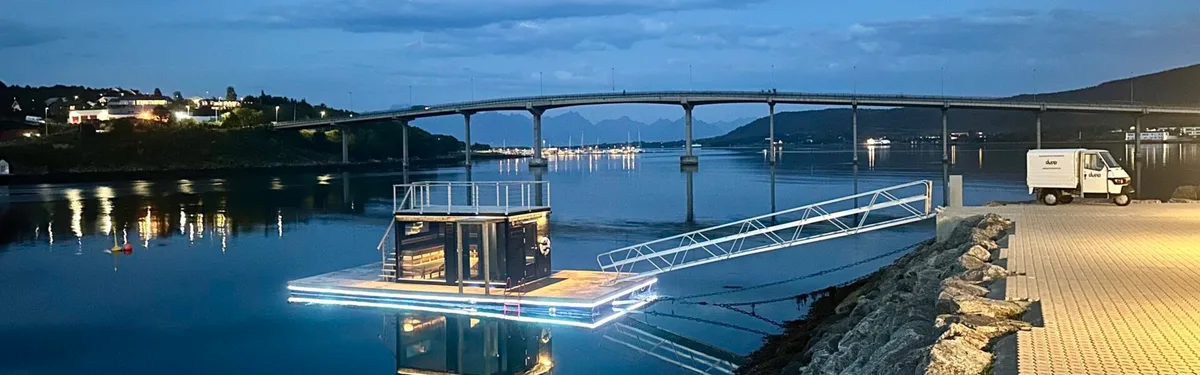
Dypp Sauna — the name simply means “dip” — is designed entirely around the contrast experience, with direct access to seawater and a sauna setup that makes multiple rounds easy and comfortable. The installation of jetties and platforms means the cold plunge is a dignified, prepared experience rather than a scramble over rocks.
Fyr Sauna operates near a lighthouse — “fyr” means lighthouse in Norwegian — with open water access and the atmospheric quality that comes with a coastal setting. The exposure here is to proper Norwegian seawater, which maintains a temperature of around 3–8°C in winter and 16–18°C at its summer peak.
Naa Sauna combines contemporary sauna design with direct coastal access. The ethos here is around presence and simplicity — the name reflects an approach to the experience that is about being fully in the moment of heat and cold.
Reed Sauna takes its aesthetic from the natural coastal landscape, with a design language that reflects the reed beds and tidal flats of the Norwegian outer coast. Cold plunges here are in shallow tidal water — different in character from an open ocean plunge, but with their own seasonal drama.
Stad Sauna sits on one of Norway’s most exposed coastlines, at the Stad peninsula where the Norwegian Sea meets the inner leads. The cold water here has the full force of open Atlantic behind it — a serious cold plunge experience for those who want genuinely wild conditions.
Aasgaardstrand Badeselskab in the small coastal town of Åsgårdstrand — famous as the setting for several Edvard Munch paintings — has maintained a bathing and sauna tradition for over a century. Plunging into the Oslofjord from these historic jetties connects you to a genuinely old Norwegian bathing culture.
Lake and River Plunge Experiences
Inland Norway offers a different form of cold immersion: lake and river water that has a character entirely its own.
Eidsvoll Badstuforening operates near Lake Mjøsa, Scandinavia’s largest lake. The lake water is cold and clear, fed by snowmelt and forest drainage, and the experience of plunging into it after a sauna has a different quality from ocean swimming — more enclosed, more intimate, with the mirror-flat surface of the lake reflecting the surrounding landscape.
Wild Sauna Bakka offers mountain river cold plunges — a genuinely intense experience. Norwegian mountain rivers run directly from snowfields and glaciers and rarely warm above 8–10°C even in late summer. The current adds a dynamic element to the immersion that still-water plunges do not have. You enter, the river pushes, and you feel the cold moving against every surface at once.
Roa Badstue Geiranger near Geirangerfjord provides cold plunges in glacial meltwater — arguably the purest and coldest source of immersion water you will find at a commercial sauna in Norway. The temperature of glacial runoff, even in summer, hovers around 4–6°C. This is not comfortable. It is exhilarating.
Damp Isla offers a more sheltered lake or inlet experience, where the combination of the sauna structure and natural water access creates the ideal conditions for exploring the contrast cycle at your own pace.
Ice Bathing in Winter
Winter cold plunges are a different category from summer ones, and not only because of the temperature difference.
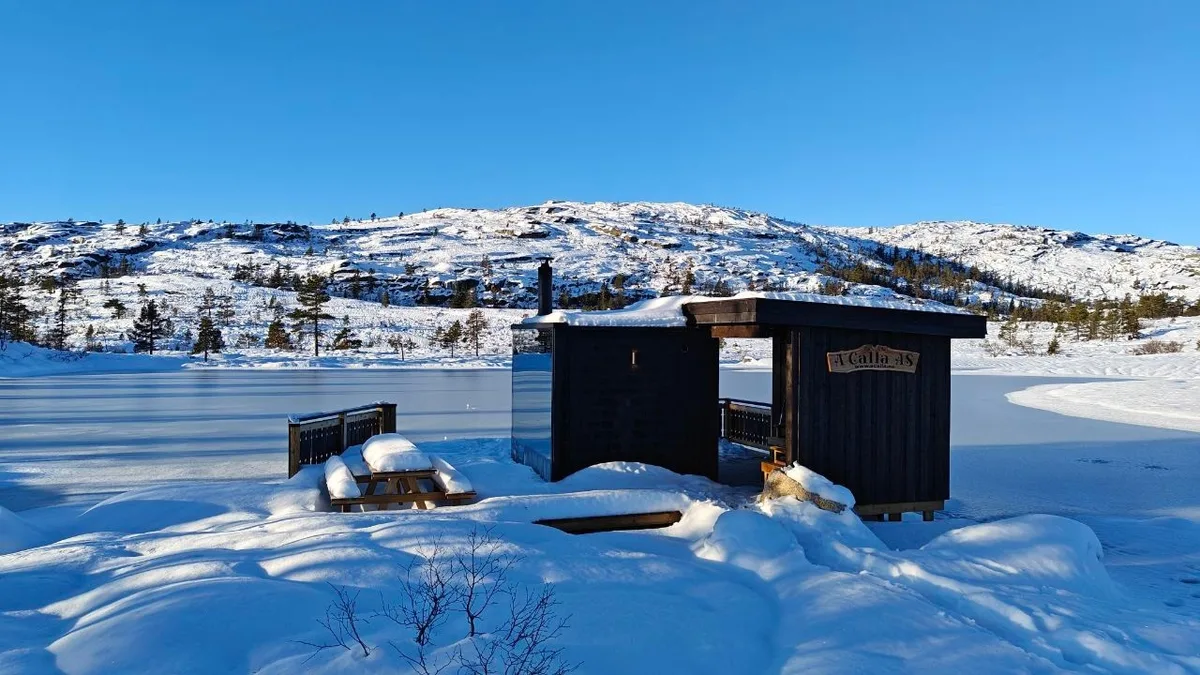
In winter, the visual and sensory context of the cold plunge changes completely. Ice may need to be broken before you enter. Steam rises from the water surface — a phenomenon called “sea smoke” or “Arctic steam” — as the water is warmer than the air above it. Your breath forms clouds. The contrast between the sauna and the outside air is so extreme that the short walk from door to water feels like crossing between two different worlds.
Arctic Sauna Ice Bathing at Skarsvåg in Finnmark offers the most extreme version of this experience — ice plunges in genuinely Arctic conditions, with water temperature near 0°C and air temperature regularly below -15°C. This is not beginner territory, but for those who have built up experience with cold immersion, it represents a genuine limit condition.
Beginner Tips for Cold Water Immersion
If you are new to cold water plunging, the key is to approach it incrementally rather than diving into the most extreme conditions immediately.
Start in summer. Norwegian coastal water in July is around 16–18°C — cool but not shocking. Build your confidence and technique before attempting winter immersion.
Control your breathing. The involuntary gasp on cold water entry — the “cold shock response” — can trigger hyperventilation. Breathe slowly and deliberately before you enter, and maintain a controlled breathing rhythm in the water. This gets easier with practice.
Keep your first immersions short. Thirty to sixty seconds is sufficient for your first few experiences. The benefits come from the transition, not from extended exposure. As your tolerance builds, you can extend the time.
Always return to the sauna to warm up. Cold water immersion without a warming phase afterward can leave you cold and exhausted rather than energised. The sauna is the second half of the treatment; do not skip it.
Never plunge alone. Cold shock can cause involuntary gasping, muscle cramps, or in extreme cases, cardiac events in susceptible individuals. Always plunge with at least one other person present who can assist if needed.
Respect your own limits. Contrast therapy is powerful, but it is not a competition. There is no merit in extending cold water time beyond what feels manageable. The goal is the afterglow — the sustained warmth and clarity that follows a well-executed sauna and cold plunge session.
Norway’s sauna and cold plunge culture is one of the most accessible forms of genuine wellness travel available. No equipment, no complicated preparation, no expertise required beyond a willingness to be uncomfortable for a few seconds in service of feeling extraordinary for hours afterward.