Sauna Etiquette in Norway — Everything Visitors Need to Know
First time in a Norwegian sauna? Here's everything you need to know about etiquette, traditions, swimwear rules, the cold plunge, and sauna dos and don'ts.
Norwegian saunas do not come with a lengthy rulebook. They come with a tradition — a set of unwritten understandings built up over generations of shared bathing — and once you understand the basics, you will feel at home almost anywhere. Do not let the prospect of getting something wrong hold you back. Norwegians are genuinely welcoming about newcomers to the sauna, and a polite question will always be met with a helpful answer.
That said, a little preparation makes the experience smoother. Knowing what to wear, how to behave around the sauna stove, and what the cold plunge actually involves will help you relax into one of the great pleasures of Norwegian life — rather than spending your first session quietly worrying about whether you are doing something wrong.
Swimwear — What to Wear
This is the question most visitors ask first, and the honest answer is: it depends on the venue.
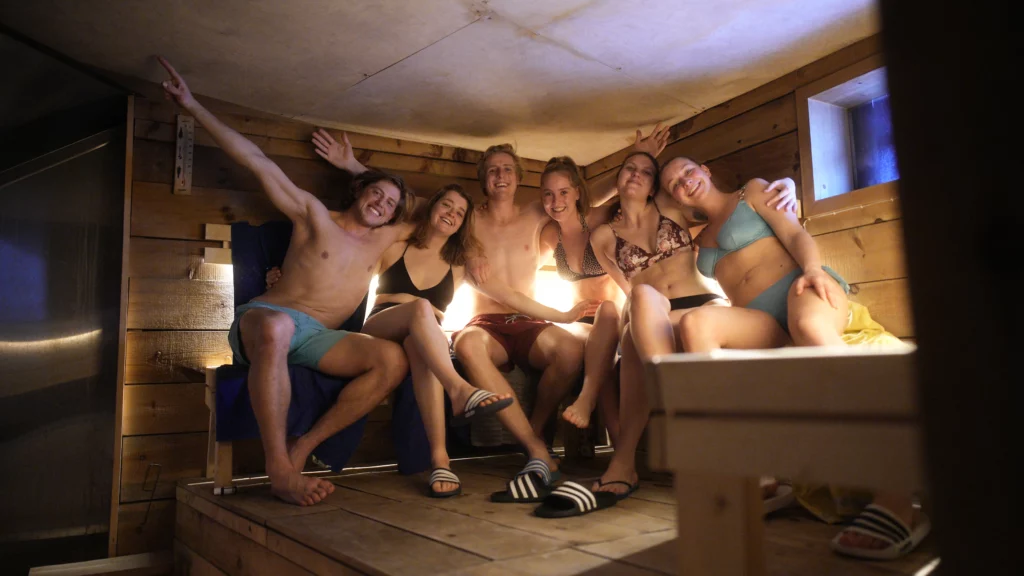
Norway has a mixed tradition. In private saunas and many community associations, bathing nude is completely normal — and in some settings, it is the default. In public venues, spas, and hotel saunas, swimwear is almost always required. The key is to check the specific venue’s policy before you arrive.
At Britannia Spa in Trondheim — one of Norway’s most celebrated luxury spa environments — swimwear is required throughout and the dress code is generally more formal. At an urban independent venue like Bunker Sauna in Oslo, a more relaxed atmosphere prevails and swimwear is standard but perfectly comfortable. Community associations like Hvaler Badstuforening on the southern coast often have a traditional mixed-nudity culture among regular members, though guests are always welcome in swimwear.
When in doubt, bring a swimsuit. You can always observe the custom of the venue when you arrive. Nobody will think less of you for wearing one, and nobody will judge you for going without if that is the culture of the place.
The Golden Rules of Sauna Behaviour
A few principles underpin sauna behaviour across all Norwegian venues, regardless of format or formality.
Shower before entering. This is non-negotiable. Wash thoroughly before your first session — it is basic hygiene and it is expected everywhere.
Sit on a towel. Always place a towel or sauna seat under you on the bench. It protects the wood, keeps things clean for others, and is standard practice at every venue.
Speak quietly. The sauna is not a place for loud conversation, music from a phone, or energetic activity. Lower your voice and slow down. The heat encourages this naturally.
Respect the temperature. If the sauna is at a comfortable temperature when you arrive, do not immediately pile water on the stones without asking others if they are comfortable with more steam. A quick “shall I add a little?” is always appreciated.
Do not bring glass into the sauna. Use plastic or metal cups for any drinks you bring.
Respect the silence. Some people come to the sauna for quiet and reflection. A relaxed nod of acknowledgement is fine; a lengthy monologue about your holiday plans is less welcome.
Löyly — Throwing Water on the Stones
Löyly (pronounced roughly “LUY-lew”) is a Finnish word that has been fully adopted into Norwegian sauna culture. It refers to the steam produced when water is poured onto the heated stones of the sauna stove, and to the ritual act of doing so.
Producing the right löyly is a small skill. Too much water at once and the steam becomes overwhelming and can scald; too little and there is no effect. A ladle at a time, poured in a slow arc across the stones, produces the best result — a gentle rush of soft, enveloping steam that raises the perceived temperature without making the air uncomfortable.
At Bygdebadstua Skurdalen and similar traditional community saunas, you will often find a dedicated löyly-master for group sessions — someone who manages the steam for everyone. In private or smaller settings, it is a shared responsibility. If you are uncertain, watch what others do and follow their lead.
Some venues add birch branches, essential oils, or dried herbs to the water for extra fragrance and therapeutic effect. This is entirely traditional and adds another dimension to the heat experience.
The Cold Plunge — Is It Mandatory?
No. The cold plunge is central to Norwegian sauna culture and the physiological benefits are real and well-documented, but nobody will pressure you to do it.
That said, most people who try it once become converts immediately. The sensation of moving from 80–90°C heat to cold water — whether that is an outdoor lake, a harbour, a river, or a cold pool — produces a rapid and pleasurable physical response. The body floods with adrenaline and endorphins, the skin tingles, and the “afterglow” — the deep radiating warmth that follows — can last for hours.
Start gently if you are new to it. Enter the cold water slowly and breathe steadily. One or two minutes is more than enough to get the full effect. You do not need to submerge your head on the first attempt. Many people never do.
At floating venues like Badmaschinen in Oslo, the cold plunge means stepping off the platform directly into harbour water. At land-based venues, it is usually a lake, river, or cold shower. Either way, the experience of stepping back into the sauna after the plunge — when the warmth wraps around your cold skin like a blanket — is something you will want to repeat.
How Long Should You Stay?
There is no fixed rule, and everyone is different. A typical sauna session consists of multiple rounds of heat and cold, with rest periods in between.
A standard rhythm might be: 10–15 minutes in the sauna, 2–3 minutes in cold water or outside, then 10–15 minutes of rest before repeating. Most people do two to four rounds in a typical session. Listen to your body — if you feel dizzy, uncomfortably hot, or unwell, step out and rest.
Stay well hydrated throughout. Drink water before you start and between rounds. Avoid alcohol during sauna sessions. The heat intensifies the effects of alcohol and the combination is genuinely dangerous.
What to Bring
The essentials for any Norwegian sauna visit: a towel (or two), a swimsuit, and sandals or flip-flops. Some venues provide towels for a small fee; many do not.
A small water bottle or thermos is useful for staying hydrated. A wool or fleece layer for the rest periods outside — sitting on a jetty in cool air after the cold plunge is one of the finest experiences the sauna tradition offers. A hair tie if needed. A book or something to read during rest periods, if you like.
Leave your phone in your bag. This is not a strict rule, but the sauna is one of the few places where the habit of putting it away comes naturally, and the benefit is real.
Community Saunas — Joining the Locals
Community bathing associations — badstuforeninger — are one of the most distinctive features of Norwegian sauna culture. These are member-run organisations that maintain a shared sauna facility, typically on a waterfront, for their members and the public.
Venues like Hvaler Badstuforening welcome day visitors alongside their regular membership. The atmosphere at a community sauna is generally convivial, unpretentious, and warm — conversations start easily in the heat, and the shared ritual creates a natural sense of community.
If you visit a community sauna, be aware that the regulars have often been coming for years or decades. They will likely have their own way of doing things. Observe and follow; do not try to reorganise or advise. A little deference goes a long way.
Booking Tips
Book in advance, especially for popular venues and weekend sessions. Most Norwegian saunas — community, floating, barrel, or spa — operate a session-based booking system and fill up quickly, particularly on Friday and Saturday evenings.
Check the venue’s policy on group size, swimwear, and what to bring before you arrive. If you are visiting with a mixed group or with children, make sure the venue is suitable — some saunas are adults-only.
Midweek sessions and early morning slots are often available at shorter notice, and they offer a quieter, more meditative experience. Arrive a few minutes before your session starts to allow time to settle in, shower, and find your rhythm before the heat takes over.