Things to Do in Geiranger — UNESCO Fjord, Waterfalls & Sauna Experiences
Discover Geiranger: cruise Norway's most iconic fjord, hike to legendary viewpoints, visit the Seven Sisters waterfall, and unwind in a local sauna retreat.
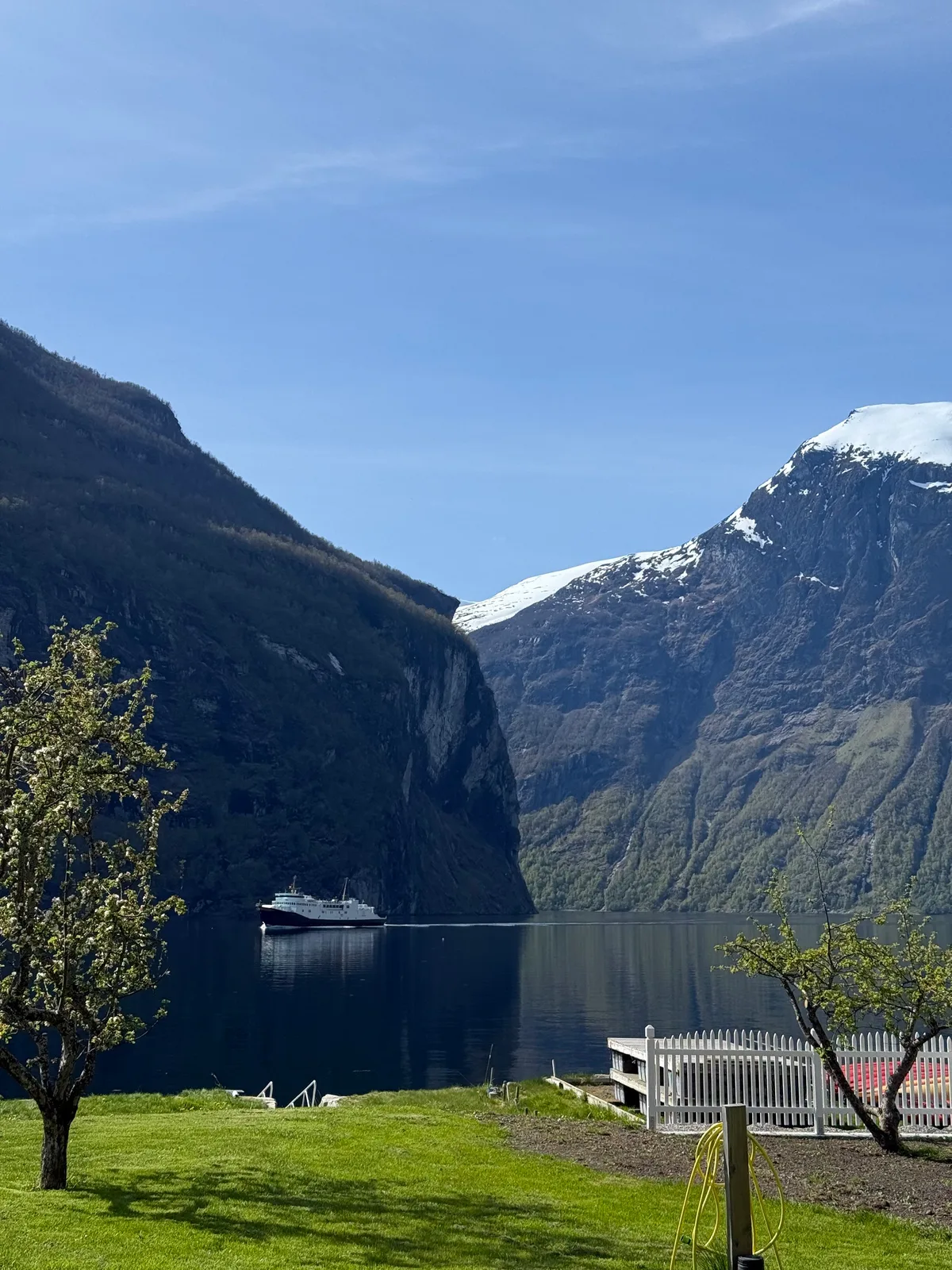
The Geirangerfjord is one of the most photographed places on earth — and in person, it exceeds every image. Waterfalls drop hundreds of metres from mountain plateaux abandoned farms cling impossibly to ledges above the water, and the fjord itself, 15 kilometres long and 260 metres deep, fills every direction with a scale that is genuinely difficult to process. It carries UNESCO World Heritage status alongside the Nærøyfjord, and the village of Geiranger at its head is the natural base for exploring the surrounding landscape of Sunnmøre.
The Geirangerfjord — Norway’s Most Iconic Fjord
A boat cruise on the Geirangerfjord is the essential experience, and several options exist. The public ferry between Geiranger and Hellesylt runs year-round (with reduced frequency in winter) and covers the full length of the fjord in around an hour — one of Norway’s most spectacular ferry crossings and one that requires no special booking beyond a standard ticket. Sightseeing boats also offer dedicated tours with narration, circling closer to the waterfalls.
The Seven Sisters waterfall drops 250 metres down the northern wall of the fjord in seven distinct streams — according to local legend, seven sisters dancing for attention from the Suitor waterfall opposite, whose single plume represents their unwanted admirer. From the water, both falls are overwhelming in spring and early summer when snowmelt fills them to full volume.
Sea kayaking has become one of the most popular ways to experience the fjord: at water level, the scale of the walls above you is dizzying. Several operators in the village offer guided kayak tours, including evening paddle sessions when the light on the water is at its best.
Viewpoints — Dalsnibba, Flydalsjuvet & the Eagle Road
Geiranger’s viewpoints are among Norway’s finest, and several require only a short drive or walk.
Flydalsjuvet is just a few minutes’ walk from the village road — a natural rock ledge overhanging the fjord that features in countless photographs of the area. The view from the ledge, with the cruise ships far below and the valley walls opposite, is genuinely vertiginous.
Dalsnibba at 1,500 metres offers the most elevated perspective: a toll road (the Nibbevegen) climbs from the valley to the summit plateau, where on clear days the fjord appears as a dark ribbon far below, surrounded by a white wilderness of high-altitude snowfields well into summer. Snow is possible at the summit even in July.
Ørnesvingen — the Eagle Road — descends from the plateau above Geiranger in 11 dramatic hairpin bends to the fjord below. It is one of Norway’s designated Scenic Routes, and driving it in either direction rewards careful attention. The viewpoint at the top of the Eagle Road offers a classic straight-down view into the fjord.
Nearby, Trollstigen — the Troll’s Path — is a separate mountain road of similarly jaw-dropping proportions, with 11 bends on an 8 percent gradient beneath a waterfall. It lies about 90 kilometres from Geiranger and is worth combining into a circular drive if you have a full day.
Abandoned Farms & Local History
Two farms perch on the northern wall of the Geirangerfjord at a height that made them effectively inaccessible for most of the year: Skageflå and Knivsflå. Skageflå is reachable on foot via a steep trail that takes around 1.5 hours from the fjord’s edge; the views back down the fjord from the former farmstead are among the most memorable in Western Norway. Boat tours from Geiranger also pass directly below Knivsflå, visible only from the water.
The Norwegian Fjord Centre (Norsk Fjordsenter) in Geiranger provides essential context for the landscape — the geology, the farming history, and the early tourist industry that began with the Kaiser and the Grand Tour travellers of the 19th century. It is well worth an hour, especially if you’re staying multiple days.
Sauna Experiences in and Around Geiranger
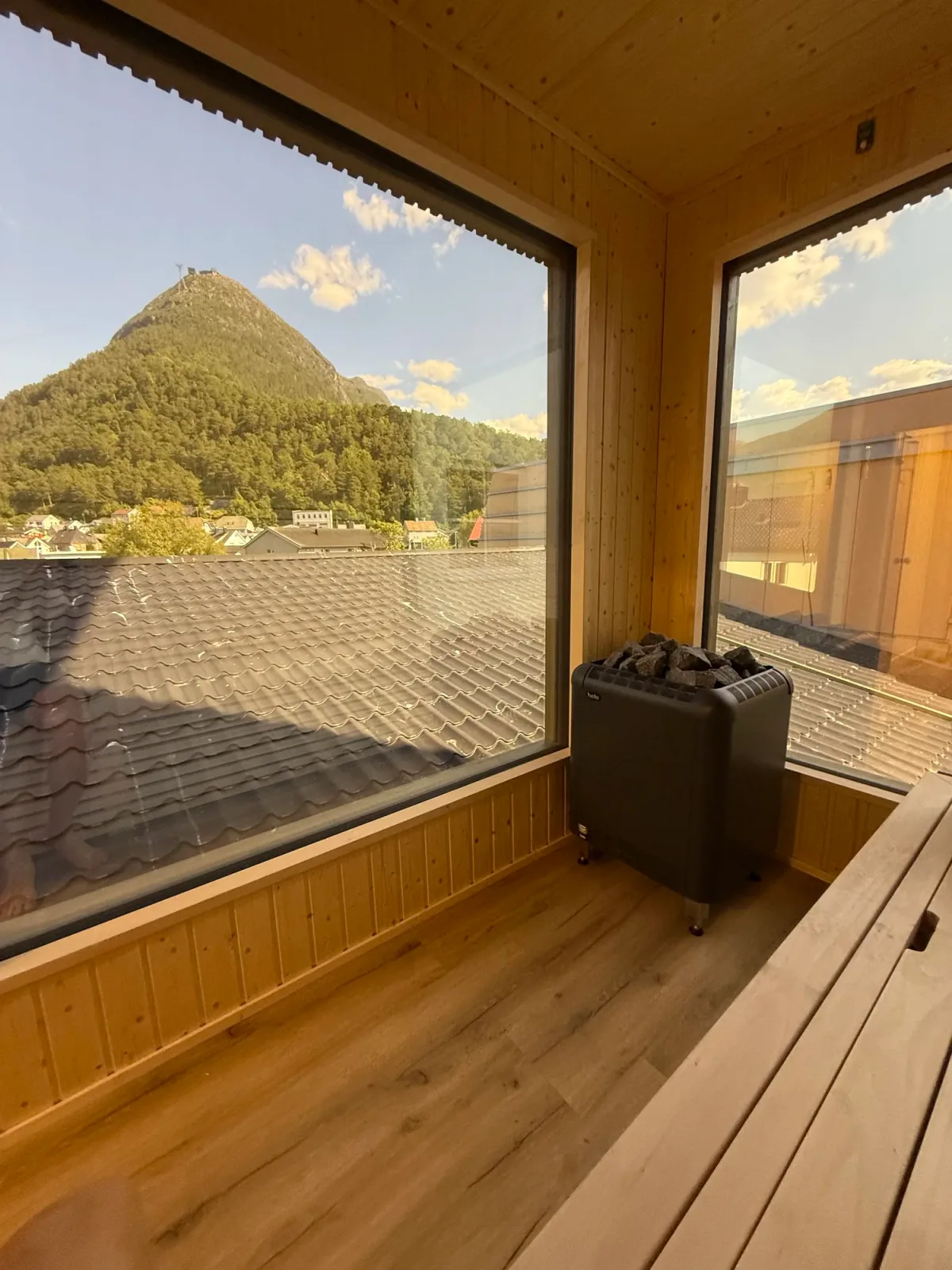
The Geiranger area has developed a network of sauna experiences across the surrounding fjord and valley landscape, several of them run by the same operator and each with a distinct character.
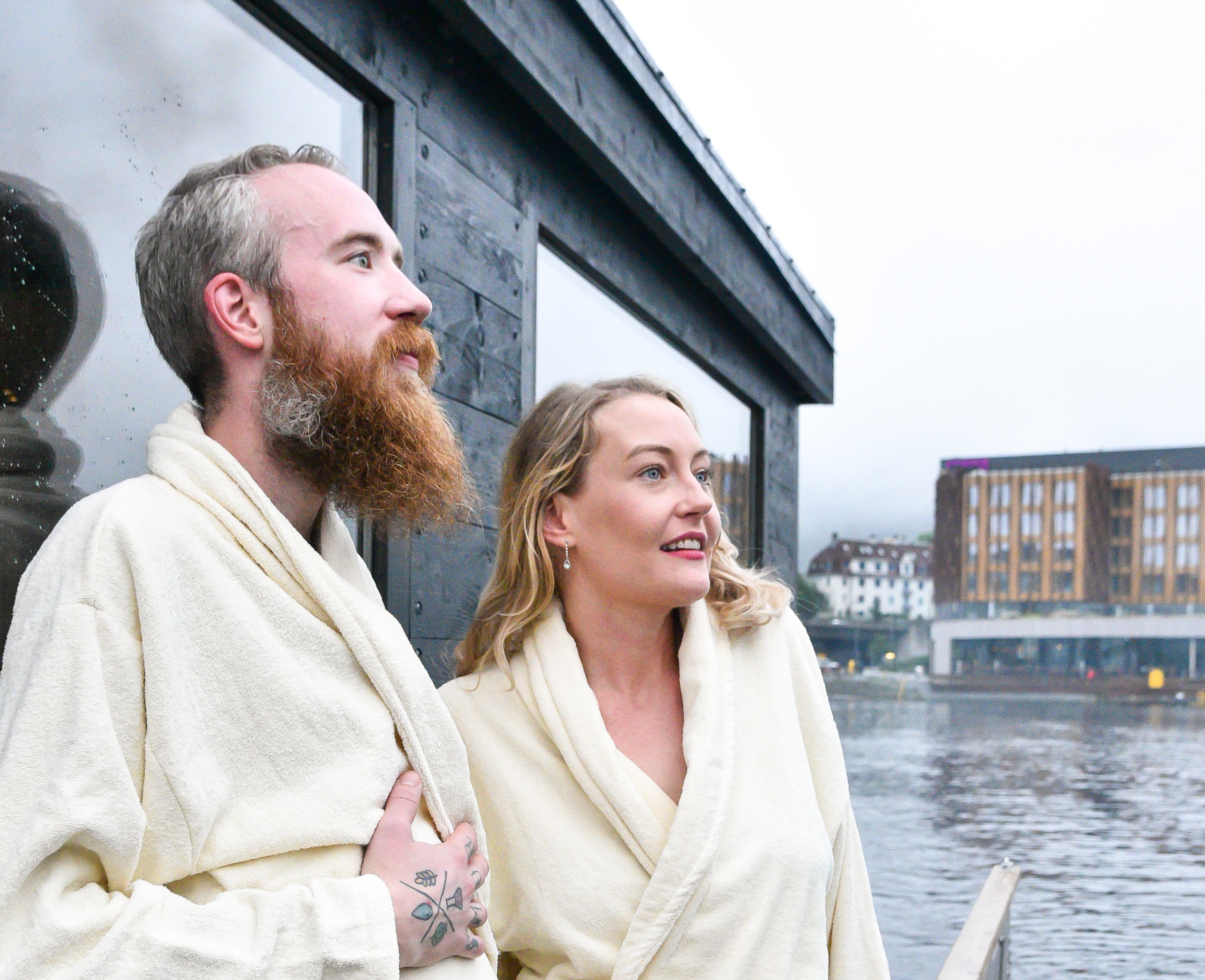
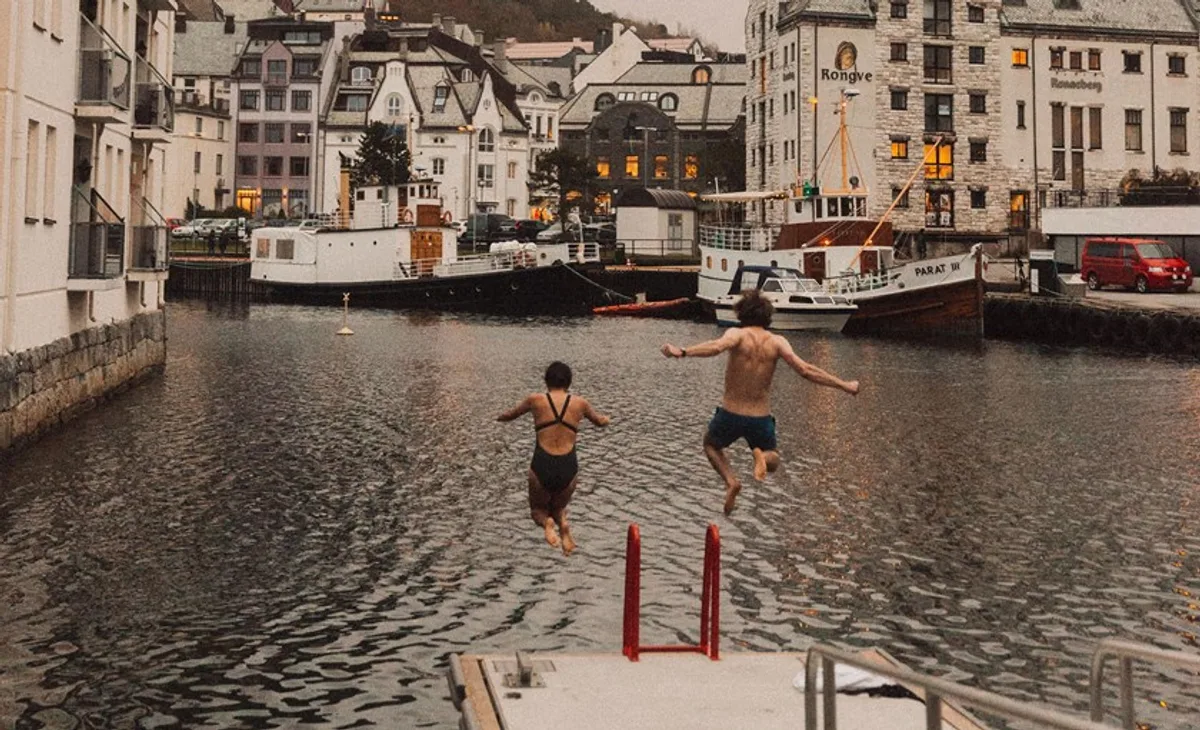
Roa Badstue Geiranger is the local sauna for the village itself, positioned to take full advantage of the fjord setting that makes this area so extraordinary. The contrast of a wood-fired heat and the cold Geirangerfjord water is the purest expression of Norwegian bathing culture in one of the world’s great landscapes.
The nearby communities of Valldal and Sæbø offer further options that reward a longer stay in the region. Roa Badstue Valldal sits along the Tafjord arm of the fjord system, a quieter and less visited stretch of water that offers the same dramatic mountain-meets-sea landscape without the summer crowds. Roa Badstue Saebo in Sæbø, on the Hjørundfjord, is particularly special — the Hjørundfjord is arguably more beautiful than the Geirangerfjord and almost completely unknown to international visitors.
Further along the same system, Tafjord Sauna in the village of Tafjord offers yet another variation on the theme: fjordside sauna bathing at the innermost reach of the Tafjord, encircled by peaks that rise directly from the water’s edge.
Getting There & When to Visit
Geiranger is accessible by car via the Ørnesvingen or the Trollstigen (both summer only), by the car ferry from Hellesylt, and by bus from Ålesund (around 2.5 hours). The nearest airport is Ålesund Airport Vigra, about 120 kilometres away.
The village is open to visitors from late April to October; outside these months many facilities close and the scenic mountain roads are shut by snow. Peak season is June to August, when cruise ships fill the fjord on most days. May and September are the sweet spots for independent travellers: the light is excellent, accommodation is available, and the crowds are manageable.
Geiranger’s scale means it rewards spending at least two nights — one day on the fjord and one in the surrounding high country. Add a third night to reach Hjørundfjord or Trollstigen, and the region reveals a depth that the day visitors hurrying between cruise ship and viewpoint will never quite find.