Things to Do in Hardanger — Apple Orchards, Waterfalls & Fjord Saunas
Discover Hardanger in Western Norway — Vøringsfossen waterfall, Trolltunga, Hardangervidda plateau, apple blossom season, and beautiful fjord saunas on Hardangerfjord.
Hardanger is one of Norway’s most quietly spectacular regions — a place where the country’s second longest fjord carves deep into the mountains, where waterfalls drop hundreds of metres from high plateaus, and where fruit orchards line the hillsides above the water. This is western Norway at its most layered: grand natural drama balanced with human-scaled beauty, accessible hiking alongside some of Norway’s most demanding trails, and a sauna scene that takes the fjord setting as its starting point. If you’re looking for a destination that delivers on the promise of “Fjord Norway,” Hardanger delivers it in full.
Fjord Sauna Experiences in Hardanger
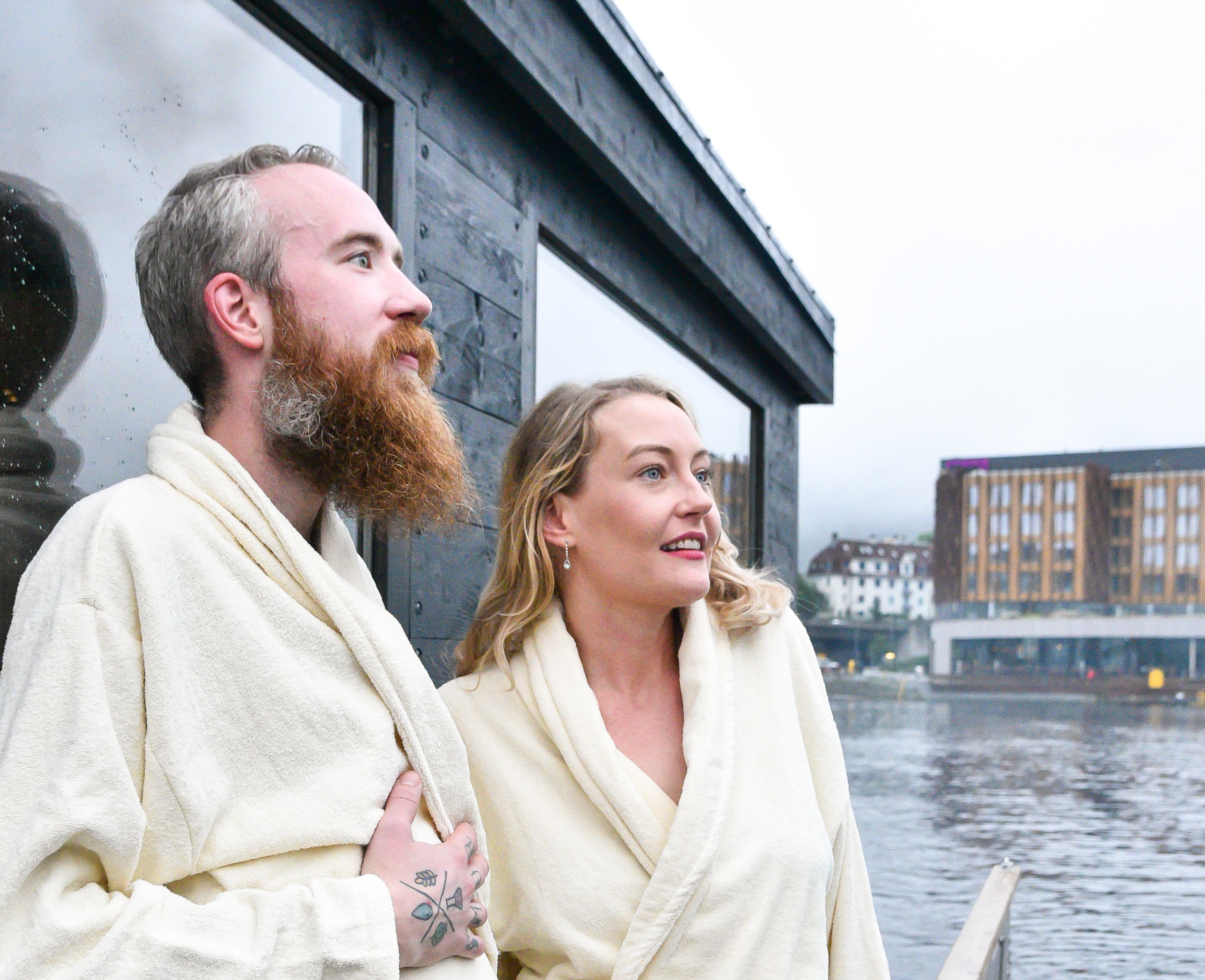
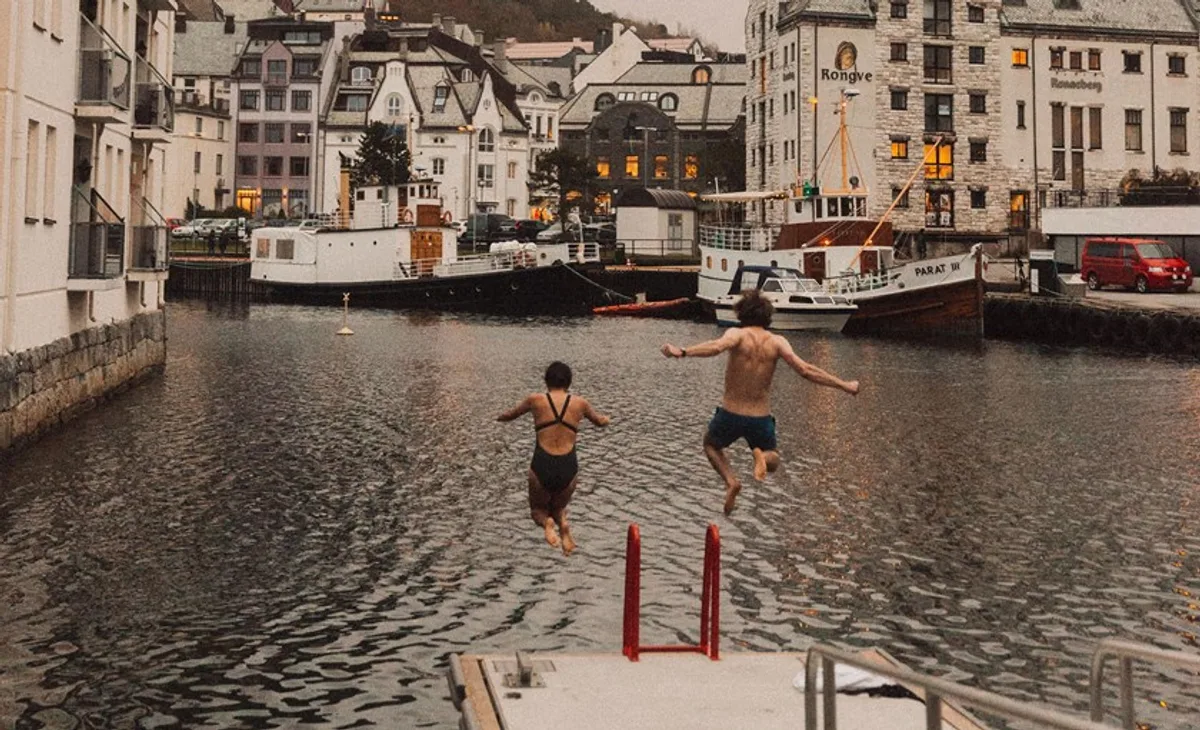
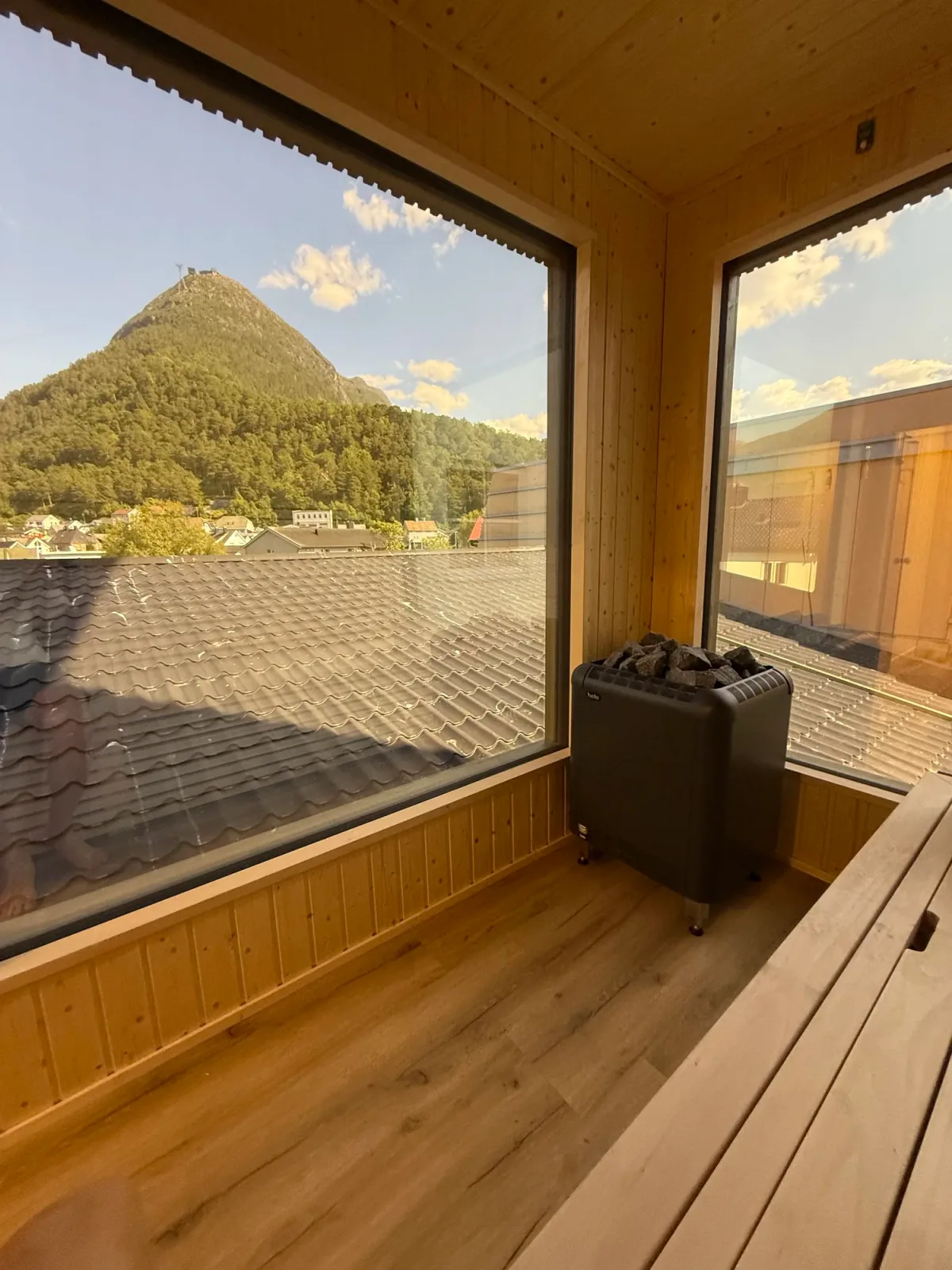
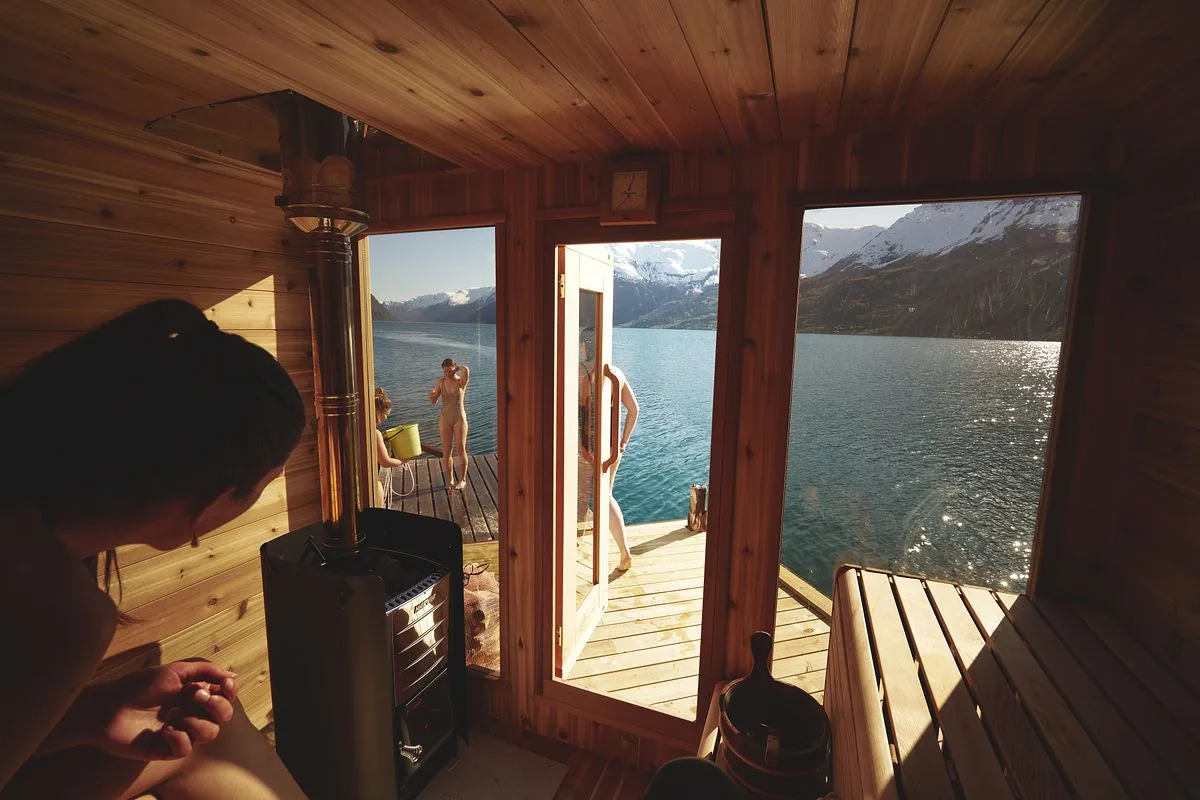
The fjord and sauna are natural partners here, and several experiences along Hardangerfjord and the Sørfjord have developed precisely around that combination.
Heit Sorfjorden Sauna sits on the Sørfjord — the inner arm of Hardangerfjord that runs south toward Odda. The Sørfjord is dramatic even by Norwegian standards: steep mountainsides rising directly from the water, fruit trees clinging to the lower slopes, and a stillness that makes the sauna-and-plunge experience feel properly immersive. Heit Sunde Sauna offers a similarly situated experience, using the fjord as both backdrop and cold bath.
The Ulvik area at the head of a small fjord arm offers excellent sauna options — check for current availability when planning your trip, as this is one of the more sought-after locations in the region.
For those extending their journey north into the Sognefjord area, Luster Fjord Spa provides a full wellness experience on Europe’s longest fjord — a natural pairing with a Hardanger itinerary.
Vøringsfossen & the Hardangervidda
Vøringsfossen is Norway’s most visited waterfall and one of its most impressive: the Bjoreio river plunges 182 metres into the Måbødalen gorge in a free fall that produces its own weather system. The main viewpoint above Eidfjord is accessible by car, and new viewing platforms have been added in recent years. But hiking down into the gorge on the historic Måbødalen trail — one of Norway’s oldest pilgrim routes — gives a completely different perspective: you approach the falls from below, through a canyon landscape that feels ancient and immense.
The Hardangervidda plateau above sits at around 1,200 metres and is Norway’s largest national park, covering over 3,400 km². It’s a vast, open moorland landscape that in summer is threaded with hiking routes, populated by wild reindeer herds, and dotted with mountain cabins run by the Norwegian Trekking Association (DNT). The plateau is also famous for its birdlife, including golden eagle, rough-legged buzzard, and large numbers of waders.
The main road across Hardangervidda, the RV7, is one of Norway’s most scenic mountain drives — especially the stretch between Geilo and Eidfjord as the road descends into the fjord landscape.
Trolltunga & Iconic Hikes
The Trolltunga hike from Tyssedal near Odda is one of Norway’s most famous — and most photogenic — mountain routes. The 22 km return trip to the “Troll’s Tongue” rock formation takes 8–12 hours for most hikers, involves significant elevation gain, and requires proper gear and fitness. The reward is a rock platform that juts horizontally out over the Ringedalsvatnet lake some 700 metres below — one of those views that earns its reputation. Book guided options if you’re less experienced with Norwegian mountain terrain.
The Hardangerfjord area also offers the Hardanger Suspension Bridge — Norway’s longest — which spans the fjord near Ulvik and is worth crossing for the views alone.
Apple Blossoms & the Cider Route
Hardanger produces the majority of Norway’s fruit, and the region’s apple and cherry orchards create one of the country’s most celebrated seasonal spectacles. Blossom season, typically in May, turns the fjordside hillsides white and pink — a combination with the reflective water and snow-capped mountains above that is genuinely extraordinary. Many producers open for visits, and the Hardanger Cider Route connects some of the region’s best apple farms and cideries for tastings and tours.
The village of Eidfjord, at the mouth of the Hardangerfjord, is a useful base with access to both Vøringsfossen and the Hardangervidda. The Hardanger Folkemuseum in Utne documents the region’s rural and maritime history with a waterfront setting that makes it one of the more atmospheric open-air museums in western Norway.
Getting There & When to Visit
Hardanger is best accessed by car — the RV7 from Oslo via Geilo crosses Hardangervidda to Eidfjord (around 3.5 hours), while the ferry and road combination via Bergen or Odda allows circular routes. Several scenic ferry crossings operate within the fjord system itself.
May is spectacular for apple blossoms. June–August brings the full hiking season, mild temperatures, and long daylight. September offers beautiful autumn colours and uncrowded trails. Winter is for hardy visitors and snowmobilers on Hardangervidda, and the Folgefonna glacier — Norway’s third largest — offers year-round glacier walking. However you time it, a sauna on the Sørfjord as the mountains catch the last of the day’s light is a moment that stays with you.