Things to Do in Helgeland — Norway's Hidden Archipelago & Island Saunas
Helgeland is Norway's least-visited coastal region — 1,000 islands, Arctic fjords, a glacier, and some of the country's most remarkable sauna experiences.
Somewhere between Trondheim and the Lofoten Islands lies a stretch of Norwegian coastline that most visitors fly straight past — and that suits the people who know it just fine. Helgeland is a region of roughly a thousand islands, dramatic mountains rising directly from the sea, a vast glacier visible from the coastal road, and small fishing communities that have barely changed in a century. It is one of Norway’s great overlooked destinations, and it is quietly developing one of the most interesting sauna scenes in the country.
The region sits just south of the Arctic Circle — close enough for winter darkness and summer midnight sun, but without the tourist infrastructure of Tromsø or Lofoten. That gap between the experience it offers and the crowds that have not yet found it is, for now, one of Helgeland’s greatest assets.
The Helgeland Archipelago
The thousand-island description is not mere tourism copy. Helgeland’s outer coast is genuinely labyrinthine — a maze of skerries, sounds, and offshore islands that stretches from Brønnøysund in the south to the Svartisen glacier coast in the north.
The most dramatic single feature is Torghatten mountain, near Brønnøysund — a rounded granite massif with a hole clean through its centre, visible from the coastal ferry several kilometres away. Legend holds that it was formed when a troll chieftain threw his hat into the air to stop a pursuer’s arrow, and the hat turned to stone mid-flight. The walk through the tunnel takes about 20 minutes from the car park and offers one of the most distinctive viewpoints on the Norwegian coast.
Out in the archipelago, Dønna island and Herøy island are among the most accessible of the larger offshore communities — connected by ferry, with traditional timber villages, sea bird colonies, and the kind of quiet fishing harbour that feels genuinely undiscovered. The ferry journey itself is part of the experience, threading through narrow sounds and past isolated farmsteads.
Sauna Experiences in Helgeland
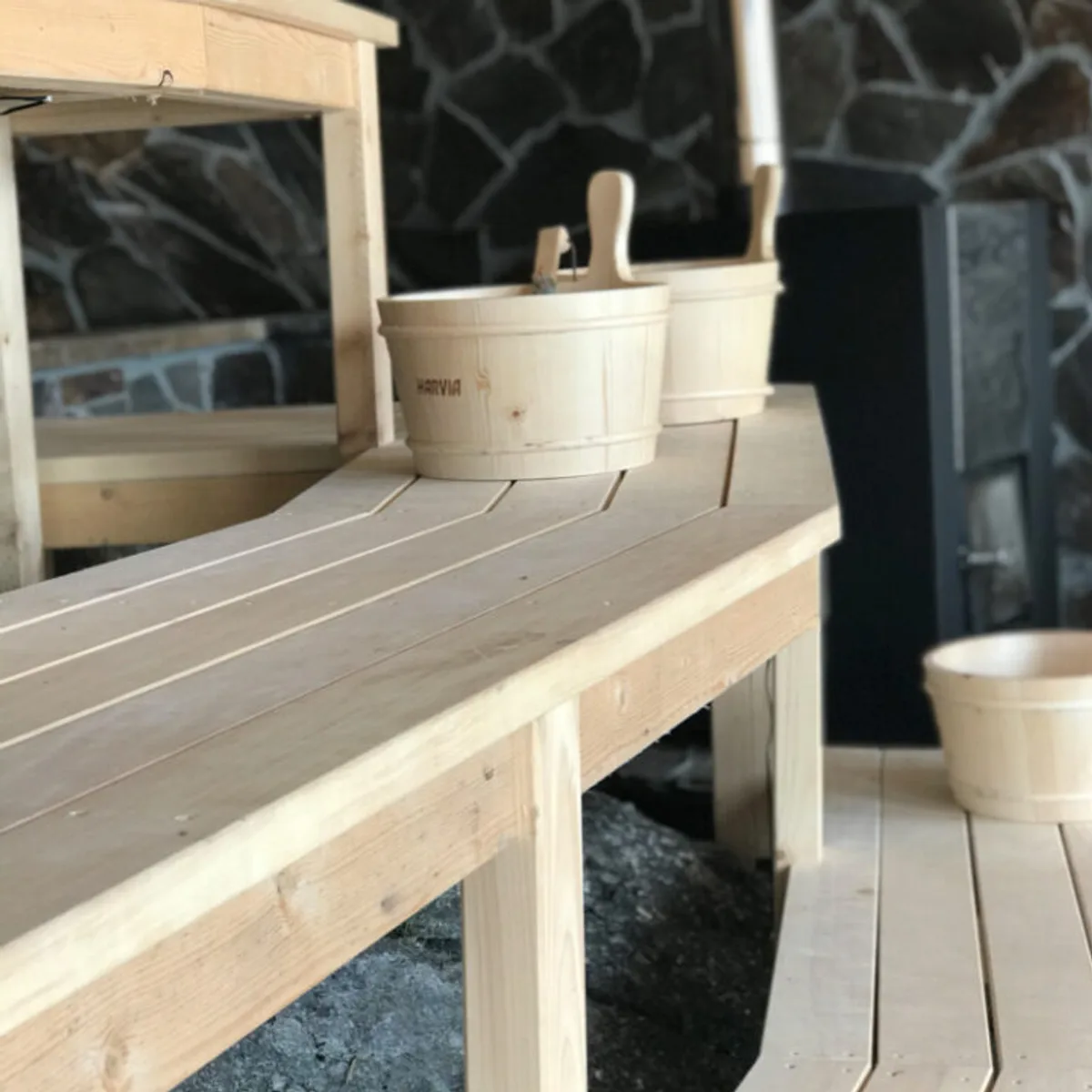
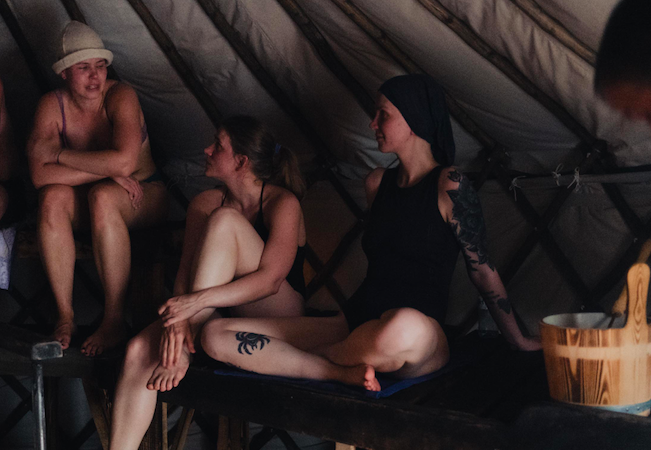
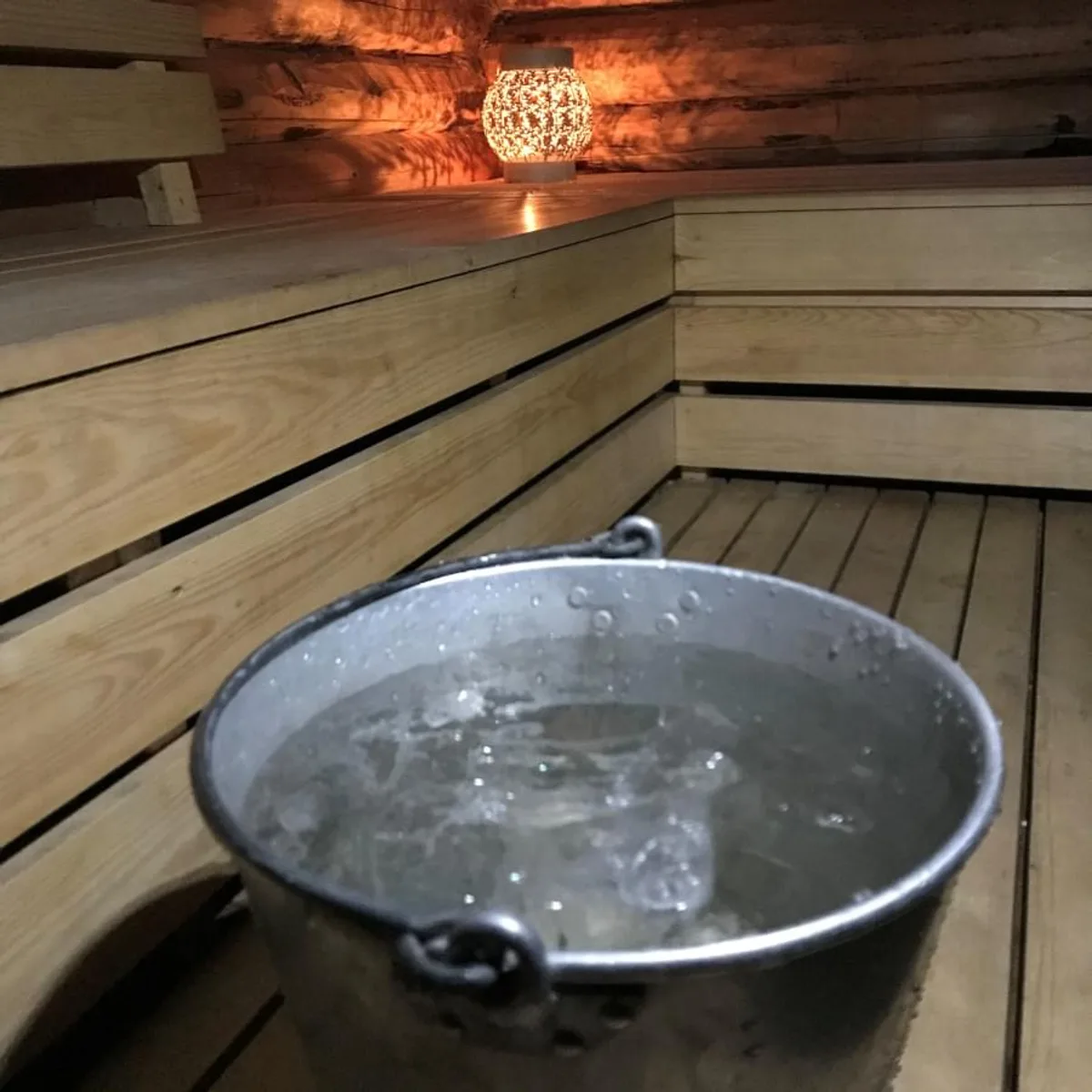
The sauna culture here reflects the region’s character — unpretentious, nature-focused, and often strikingly located.
Plura Valley Sauna sits in one of the more extraordinary inland settings in northern Norway — the Plura valley is famous among cave divers for its deep subterranean river system, and the sauna here pairs with some of the most dramatic freshwater scenery in the region. Cold plunges in crystal-clear river water after a proper wood-fired session are the order of the day.
Luroy Utleie Badstu is located on Lurøy island, one of the more remote archipelago communities, reachable by ferry. A sauna on an island in the middle of the Helgeland sound, with views across to the mainland mountains, is a genuinely exceptional experience. Traena Badstue Naust goes even further out — Træna is one of Norway’s most remote inhabited islands, two hours by ferry from the mainland, and the bathing naust here gives you a sauna experience at the edge of everything.
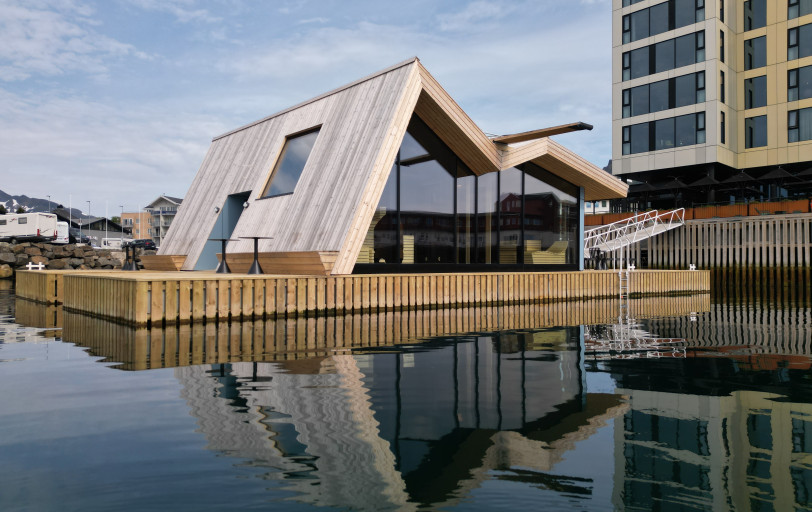
Badstunaustet in Leirfjord brings the sauna boathouse tradition to a sheltered inner fjord setting — a more accessible Helgeland sauna experience with the same quality of light and stillness. Norsk Havbrukssenter Sauna in Brønnøysund is attached to Norway’s national aquaculture centre, an interesting pairing that reflects the region’s deep connection to the sea. Sandtorgholmen Sauna occupies a particularly striking island position, and Northlight Sauna — as the name suggests — is designed to be used in the Arctic light, both the blue glow of winter and the amber midnight sun of summer.
Namsentunet is further inland, in the Namsen valley, where salmon fishing is a significant draw — the Namsen is one of Norway’s great salmon rivers, and the sauna culture here is intertwined with the fishing lodge tradition.
Svartisen Glacier and the Inland Landscape
The Svartisen glacier is one of Norway’s largest ice fields, and access to its lower arm — which descends almost to sea level — is one of the most extraordinary natural experiences in Helgeland. A short boat trip across a lake brings you to within walking distance of the glacier face, where you can touch active ice and hear the deep groans of a living glacier.
The ferry and road combination needed to reach Svartisen makes it a half-day expedition from anywhere in the region, but it rewards the effort completely. The surrounding landscape — a mix of birch forest, bare rock, and the blue-white wall of the glacier — has the quality of a place at the edge of the habitable world.
Mosjøen and the Coastal Route
Mosjøen is often described as Helgeland’s best-kept secret. The old timber town on the Vefsna river has a remarkably well-preserved historic wharf district — Sjøgata — where painted wooden warehouses and merchant buildings line the waterfront, most of them still in active use. It is one of the most authentic historic townscapes in northern Norway, without the crowds that have found Ålesund or Bryggen in Bergen.
The Kystriksveien — the Coastal Route — is the scenic alternative to the main highway through Helgeland, and it is one of the most spectacular roads in Norway. The route threads through the archipelago on a series of ferries and bridges, passing through small fishing communities, crossing the Arctic Circle (there is a monument and visitor centre at Polarsirkelen), and offering constant views of the sea, islands, and mountains. Allow two to three days to do it properly rather than rushing through in a single day.
Getting There
Helgeland is accessible by Hurtigruten coastal ferry (multiple stops), by car along the E6 or Kystriksveien, and by regional flights to Sandnessjøen, Brønnøysund, or Mosjøen airports. The region rewards slow travel — the coastal ferry is by far the most atmospheric way to arrive, and the journey through the archipelago is itself part of the experience.
Plan for at least three to four days to do the region justice. Those who arrive for a night and find themselves extending their stay by a week are not uncommon.