Things to Do in Lillehammer — Olympic Legacy, Mountains & Sauna Retreats
Discover the best things to do in Lillehammer — from Olympic venues and Maihaugen museum to lakeside saunas on Mjøsa and mountain hikes in Gudbrandsdalen.
Lillehammer is the kind of Norwegian town that rewards lingering. Famous worldwide for hosting the 1994 Winter Olympics, it sits at the northern tip of Lake Mjøsa — Scandinavia’s largest lake — surrounded by forested ridges, traditional farms, and some of the finest mountain terrain in eastern Norway. The Olympic glow has never entirely faded, and today the town balances heritage, outdoor adventure, and a quietly growing sauna culture that makes it a compelling destination across all four seasons.
Sauna Culture in Lillehammer
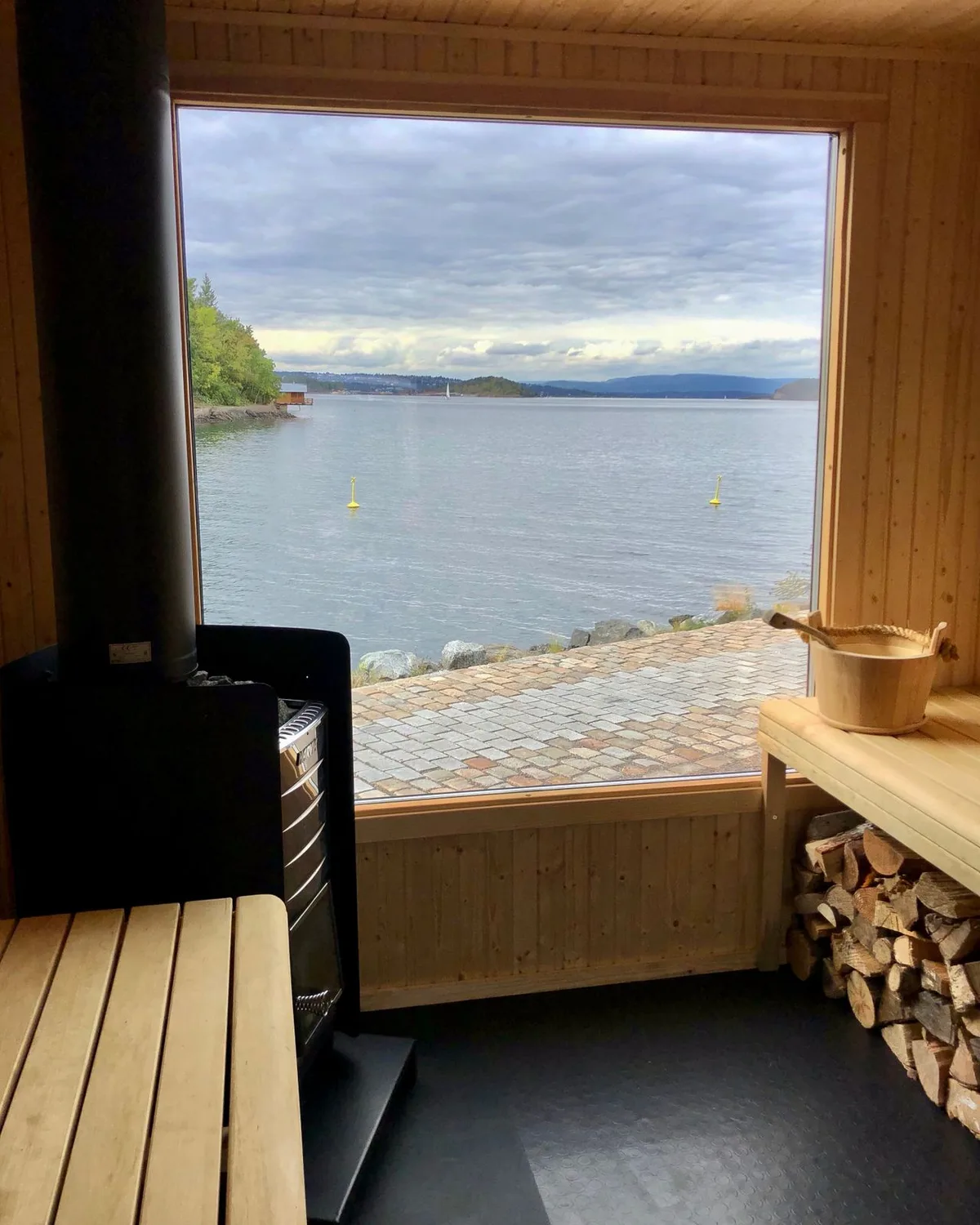
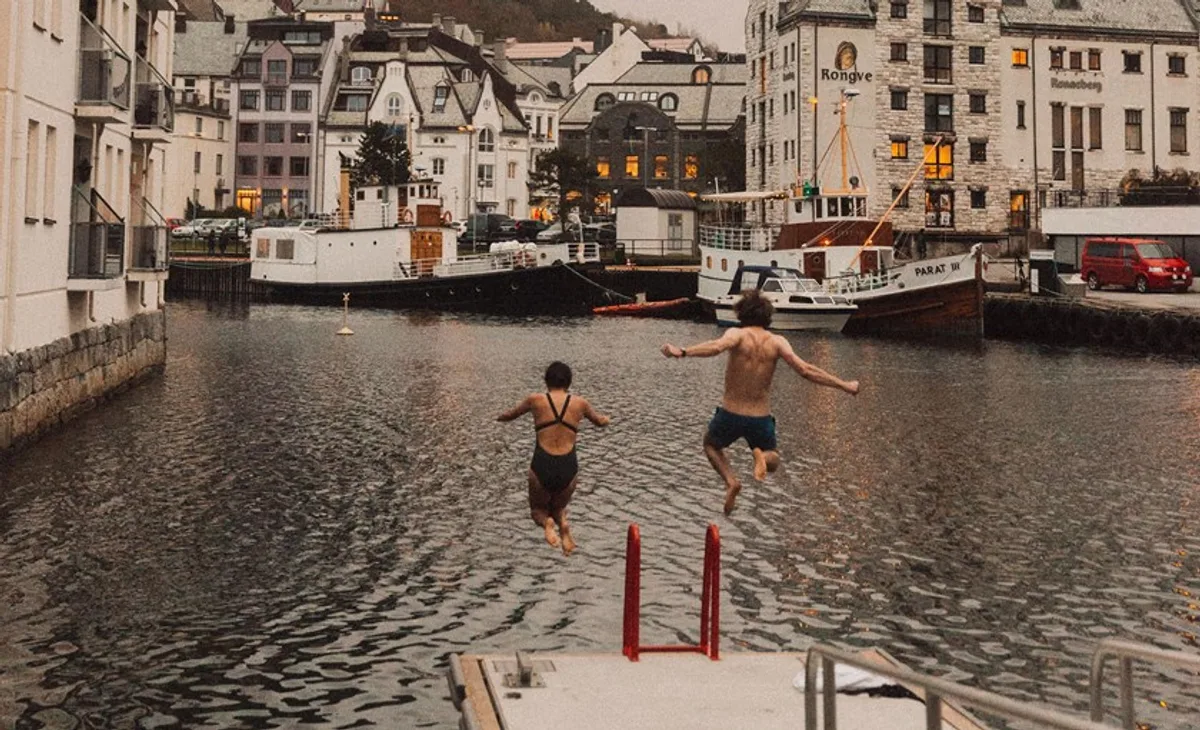
Lillehammer may be best known for ski jumping and speed skating, but its sauna scene has developed into something genuinely worth seeking out. Lake Mjøsa provides a spectacular natural backdrop for cold-water bathing, and several of the town’s sauna offerings make the most of it.
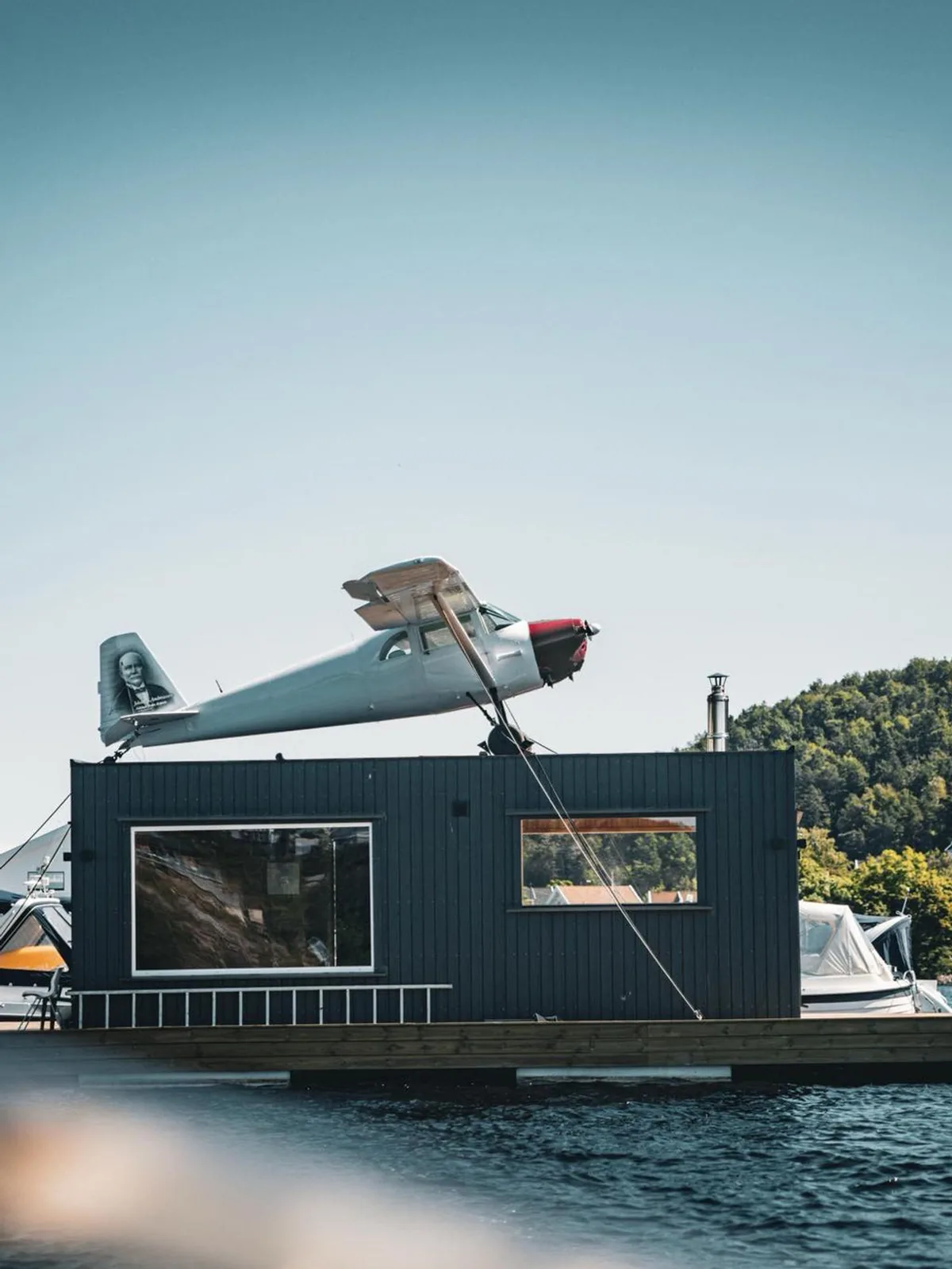
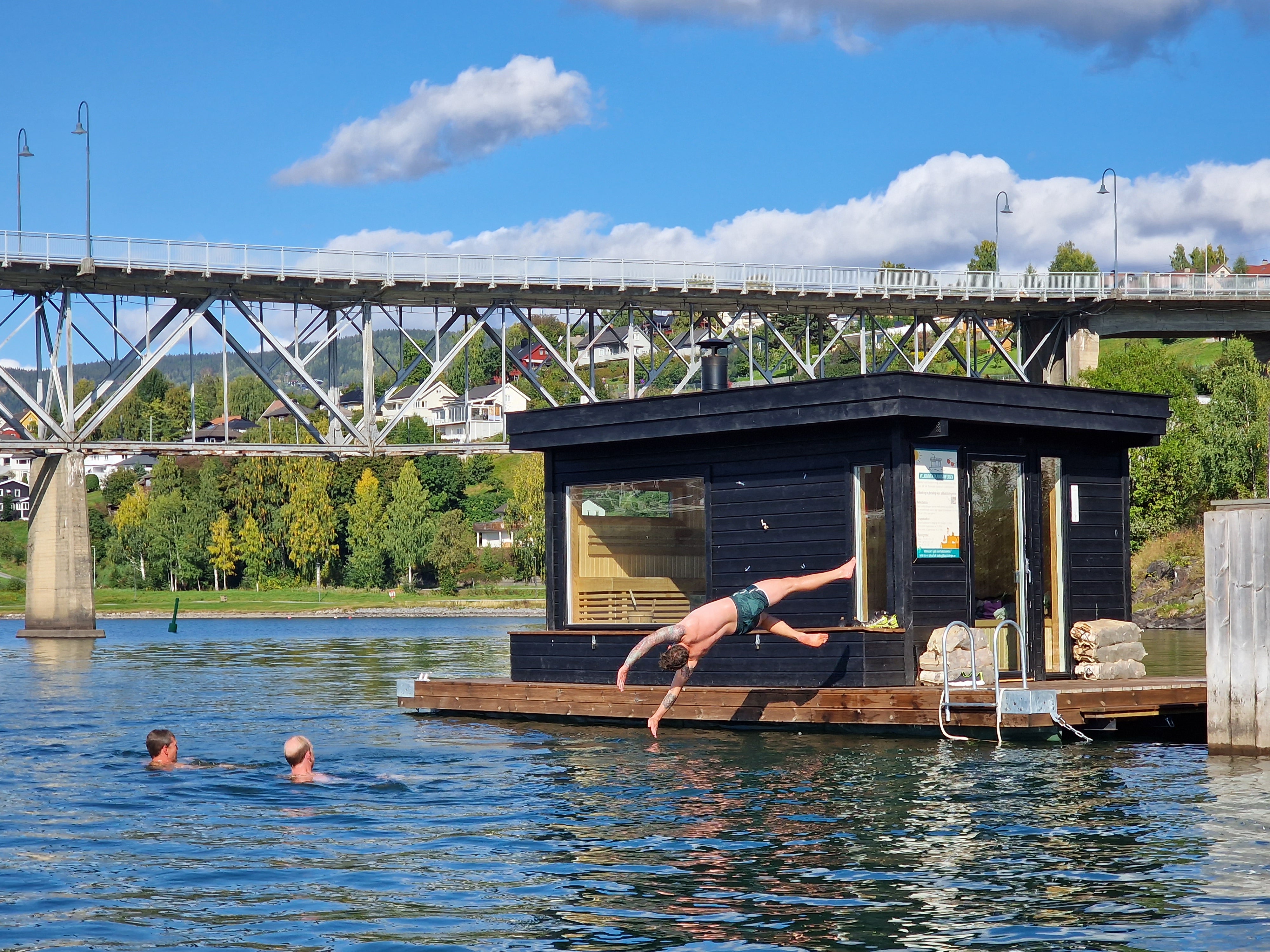
Badstufergen is one of the most distinctive experiences in the region — a sauna ferry that operates on Lake Mjøsa itself. The concept is simple and brilliant: wood-fired sauna heat on the water, with the deep, cold lake waiting just outside the door. There’s something about the combination of gentle boat movement and sauna warmth that strips away any sense of urgency. Book in advance, as sessions fill up quickly during peak seasons.
For visitors staying in town, Home Hotel Hammer offers a well-appointed hotel sauna with a design-forward atmosphere, while Lillehammer Hotell provides a more classic Norwegian hotel spa experience in the heart of the centre. The Scandic Lillehammer Hotel rounds out the hotel options with reliable wellness facilities that are open to both guests and day visitors.
Away from the hotel scene, Kroken Sauna gives a more intimate, locally rooted experience — the kind of place where conversation flows easily and the focus is firmly on the ritual of heat and cold rather than any frills. If you’re willing to extend your trip slightly, KOK Mjøsa in Hamar — just 30 minutes south along the lakeshore — is one of central Norway’s most acclaimed sauna destinations, combining elegant facilities with direct access to the vast waters of Mjøsa.
Olympic Heritage & Cultural Highlights
The 1994 Winter Olympics left Lillehammer with infrastructure that remains genuinely impressive three decades on. Lysgårdsbakkene ski jump is the town’s most striking landmark — visible from almost everywhere — and guided tours let you ride to the top and take in a panorama that stretches across the lake and valley. In winter, the jumps are still used for competition and training.
Maihaugen is Norway’s largest open-air museum and one of Scandinavia’s finest. The collection brings together over 200 historic buildings relocated from across Gudbrandsdalen — farmsteads, townhouses, a stave church — arranged across a hillside just above the town centre. Allow at least half a day, and more if you visit during one of the seasonal events. The indoor galleries add significant depth to the outdoor experience.
The Norwegian Olympic Museum, housed within the Olympic Park, covers both the 1994 games and Norway’s wider athletic history with a level of care and detail that makes it worth visiting even for non-sports enthusiasts. Children in particular tend to love it.
Outdoor Adventures
Beyond the Olympic legacy, Lillehammer is an outstanding base for outdoor exploration. Lake Mjøsa boat trips run through the summer months, with the historic paddle steamer DS Skibladner offering one of Norway’s most nostalgic travel experiences. The lake itself is ideal for kayaking, and several operators offer guided tours.
Hafjell ski resort, just 15 kilometres north of town, hosted the Alpine skiing events in 1994 and remains one of Norway’s best-equipped ski destinations. In summer the trails convert to mountain bike routes with lift access. The resort’s bike park has developed a strong following in recent years.
Gudbrandsdalen Valley & Mountain Routes
The Gudbrandsdalen valley stretches north from Lillehammer into the heart of Norway, lined with traditional farms, medieval stave churches, and increasingly dramatic mountain scenery. The valley road passes through Ringebu — home to a beautifully preserved stave church — before climbing into the higher uplands.
The Peer Gynt mountain road is one of Norway’s classic scenic drives, traversing the high plateau between Gausdal and Vinstra with views that justify every kilometre. In summer it’s a favourite cycling and walking route; the Peer Gynt Festival in late July brings the area to life with outdoor performances drawing on Henrik Ibsen’s legendary drama.
For hiking, the terrain around Lillehammer is remarkably varied. Day walks from town access the forested ridges above the lake, while longer routes push into the Rondane and Jotunheimen national parks to the north — both within two to three hours by car and among Norway’s finest mountain environments.
Getting to Lillehammer
Lillehammer is easily reached by train from Oslo in approximately two hours — one of Norway’s more pleasant rail journeys, tracing the valley north from the capital. By car the drive takes around two and a half hours via the E6. For winter visitors, it’s worth noting that the train runs reliably regardless of road conditions, making it the preferred option when snow is heavy.