Things to Do in Lofoten — Dramatic Scenery, Fishing Villages & Arctic Saunas
Plan your Lofoten trip: dramatic peaks, UNESCO fishing villages, midnight sun, Northern Lights, and some of Norway's most memorable Arctic sauna experiences.
Few places in the world announce themselves quite like Lofoten. The archipelago rises from the Norwegian Sea in a serrated wall of peaks — sheer and improbable — before descending to tiny fishing villages perched at the water’s edge. It is one of Europe’s most photographed landscapes, and yet arriving here still feels like a genuine discovery. Whether you come for the midnight sun, the Northern Lights, the hiking, or simply to slow down in a red-painted rorbu by the sea, Lofoten has a way of making everything else feel temporary.
Sauna Culture in Lofoten
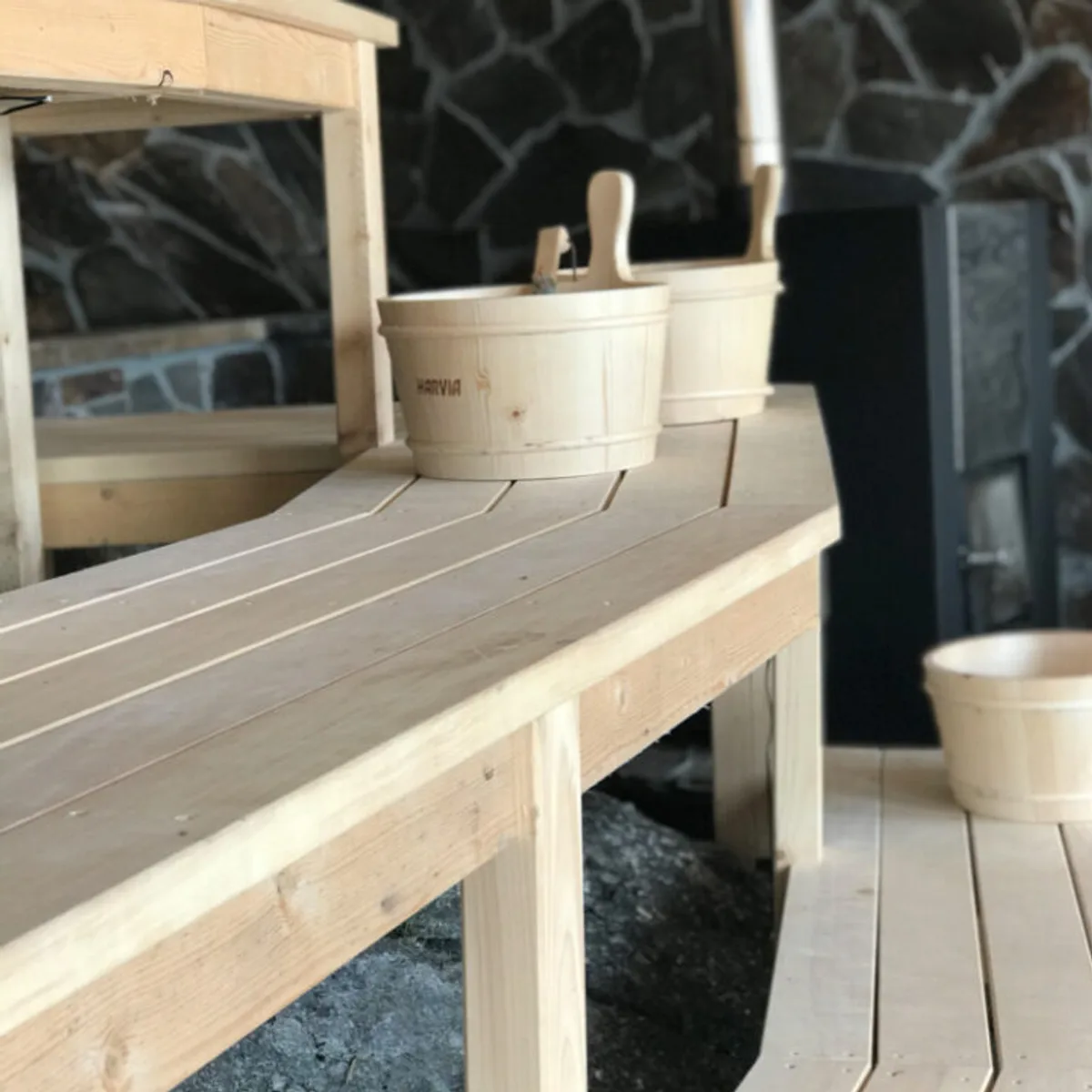
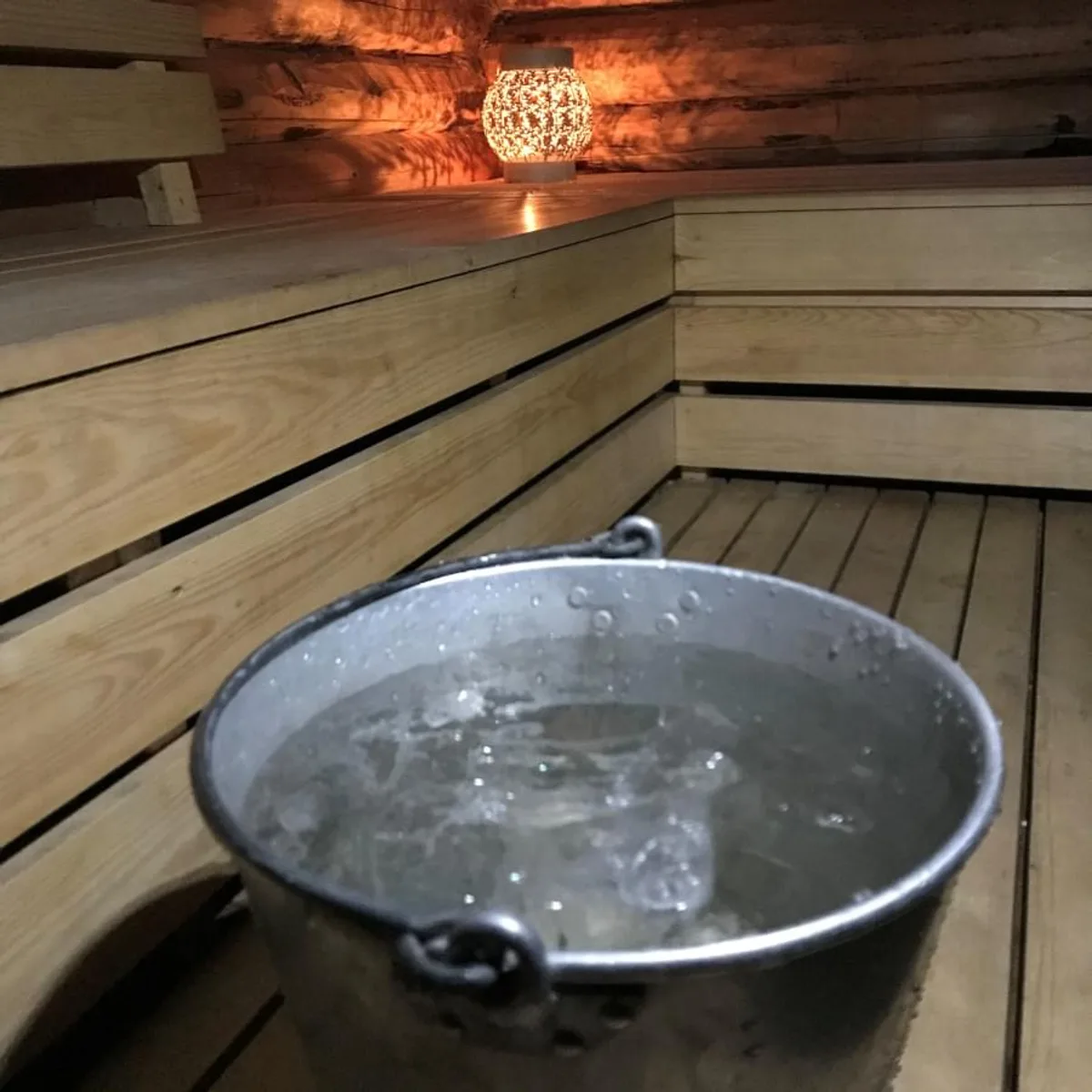
Arctic saunas have taken on a particular resonance in Lofoten. Stepping from a wood-heated room into water this cold, beneath skies this dramatic, is an experience that lodges itself permanently in the memory. The islands’ sauna offerings range from polished waterfront venues to quiet hostel facilities — and all of them benefit from surroundings that are hard to match anywhere else in Norway.
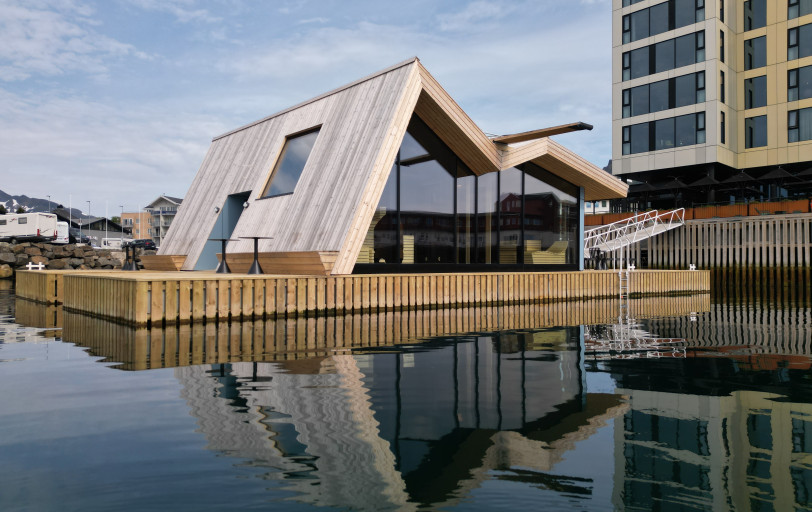
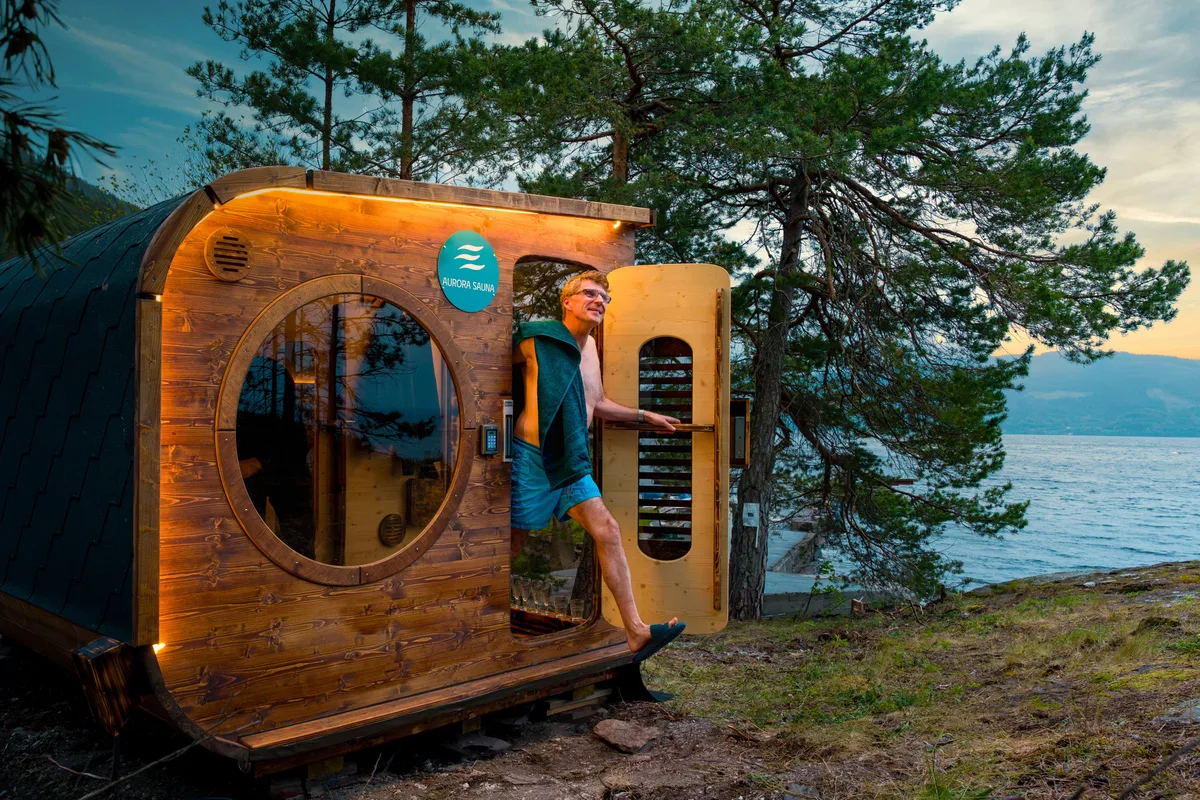
Aurora Sauna Lofoten is one of the archipelago’s flagship sauna experiences, positioned on the Svolvær waterfront with views across the harbour and the peaks beyond. The combination of heat, cold water, and mountain scenery makes this a natural first choice for visitors based in or passing through Svolvær. Aurora Sauna Lofoten Svolvær extends the Aurora experience with additional capacity — worth checking both listings when planning your visit to find available slots.
Further south, Hamnøy Sauna sits in one of the most photographed corners of the entire archipelago. Hamnøy is a tiny cluster of red and yellow buildings wedged between the sea and the mountains, and bathing here feels like stepping into the kind of Norway that appears in travel magazines — except the cold is completely real. Near Reine, Catogarden Sauna offers a more intimate experience rooted in the local accommodation and fishing culture of the southern islands.
For travellers moving along the E10, Stamsund Hostel Sauna provides an affordable and welcoming option on the western side of the archipelago — part of a hostel with a long tradition of attracting independent travellers and those arriving by Hurtigruten. Ballstad Sauna, in the quiet fishing village of Ballstad, is another worthwhile stop for those exploring the less-visited corners of the islands.
The Landscapes & Villages
Reine is widely considered the most beautiful village in Norway — a bold claim in a country that has no shortage of competition. The village sits at the mouth of Reinefjord, backed by vertical peaks that seem physically impossible. Sunrise and sunset here are events in themselves; the light changes everything. Kayaking Reinefjord is one of the finest ways to experience the landscape at pace, with routes weaving between cliffs and into quieter inlets.
Nusfjord is one of the best-preserved fishing villages in Norway and carries UNESCO World Heritage recognition. The painted wooden buildings, the smell of drying stockfish, and the absence of modern development create an atmosphere that connects directly to the islands’ centuries of fishing tradition. It’s a short detour from the E10 and well worth the extra time.
In Svolvær, the islands’ largest town, the mood is more urban but the setting remains extraordinary. The Svolværgeita — two rocky pinnacles rising above the town — are among Norway’s most iconic rock climbing objectives. Guided climbing excursions run through summer for those with varying levels of experience.
Henningsvær & the Viewpoints
Henningsvær is a fishing village built across a cluster of small islands connected by narrow bridges, with the mountains forming a backdrop that makes it one of the most-photographed spots in Lofoten. The famous “football pitch” viewpoint — looking down at a small sports pitch surrounded entirely by sea — requires a short hike but rewards with one of the archipelago’s most striking compositions.
Activities by Season
Summer: Midnight Sun (May–July)
Lofoten in summer is defined by light — the sun does not set between late May and mid-July, and the quality of the illumination during the midnight hours is extraordinary. Hiking takes on a dreamlike quality when you can walk at 2am under a warm orange sky. The E10 road trip along the length of the archipelago is spectacular in full summer light, and the ferry crossings between the southern islands feel like scenic excursions in their own right.
Autumn & Winter: Northern Lights (October–March)
The Northern Lights appear above Lofoten with dependable frequency from October through March. The archipelago’s coastal position means the sky is often clearer here than further inland, and the reflection of the aurora in the sea adds an extra dimension. Snowshoeing and guided winter safaris are popular, and this is also the season when the stockfish culture — cod dried on wooden racks across the islands — is most visible.
Rorbu cabins are the traditional accommodation of choice throughout the year. Originally built to house seasonal fishermen, the converted cabins are now some of Norway’s most characterful places to stay — basic in construction but rich in atmosphere, and always close to the water.
Getting to Lofoten
Fly directly to Svolvær from Oslo (approximately 1.5 hours), or take the scenic ferry from Bodø — a two-hour crossing that delivers you into the heart of the archipelago with the mountains rising from the sea ahead of you. The ferry is the better arrival if time allows; nothing else quite prepares you for the scale of what you’re seeing.