Things to Do in Svalbard — The Ultimate Arctic Adventure & Sauna Experiences
Svalbard: polar bear safaris, glacier hikes, dog sledding, midnight sun, Northern Lights, and the world's most Arctic sauna experiences in Longyearbyen.
There is nowhere else quite like Svalbard. Sitting at 78 degrees north — deep inside the Arctic Circle, halfway between mainland Norway and the North Pole — this archipelago is the world’s most accessible true wilderness. Polar bears outnumber people. Glaciers cover more than half the land. The sun doesn’t set for four months and doesn’t rise for another four. If the word “extreme” feels overused in travel writing, Svalbard is where it earns its keep. And here, in this environment of ice and silence and cold that has real physical weight, the sauna experience takes on a meaning that goes beyond anything you’ll find further south.
Sauna Culture in Svalbard
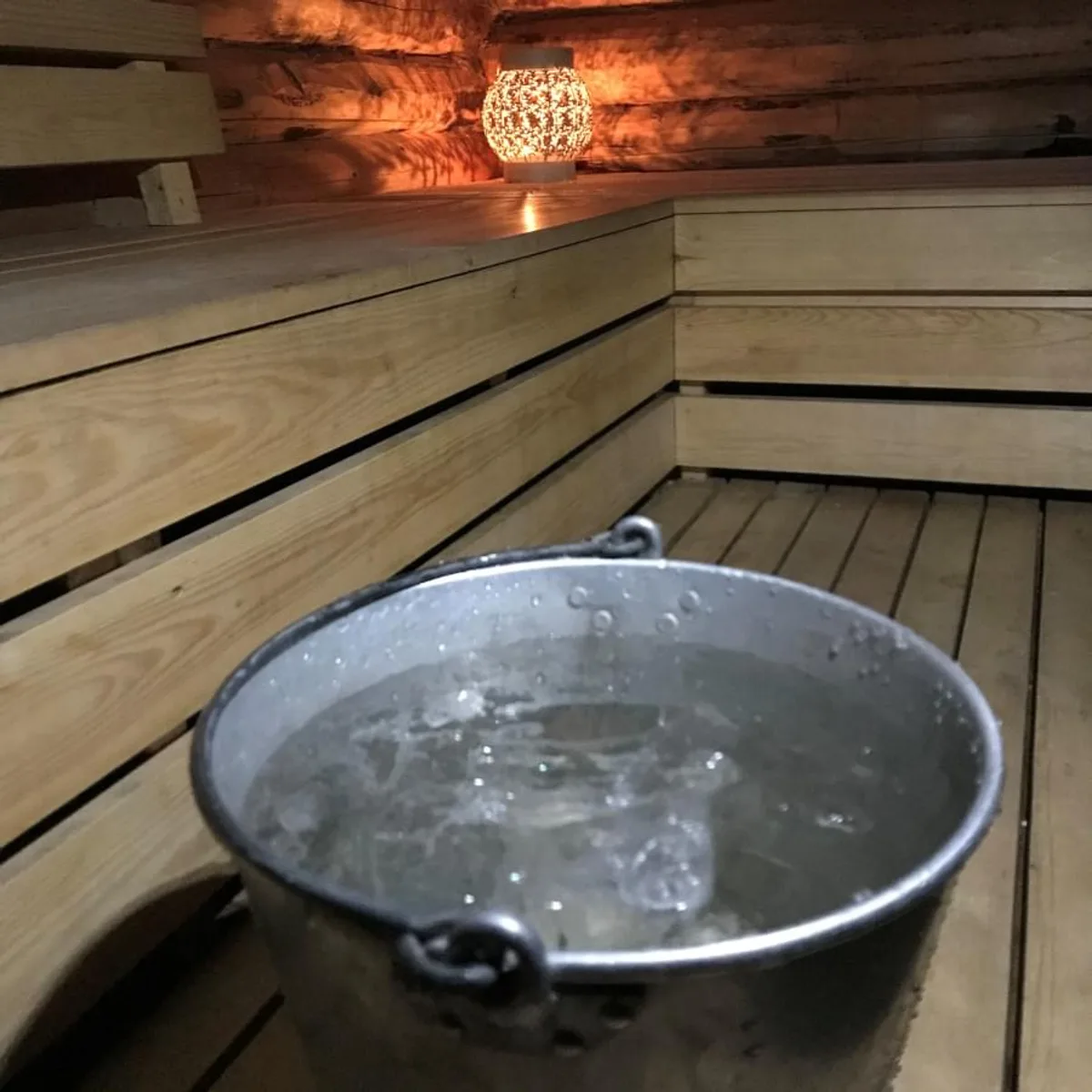
Bathing culture in the Arctic carries a different charge. The cold-plunge experience on the Norwegian mainland is memorable; in Svalbard, stepping from a heated sauna into water that sits just above freezing, surrounded by glacier scenery and Arctic silence, is genuinely transformative. The contrast — physical and psychological — between the interior warmth of a wood-fired sauna and the world outside is nowhere more stark than here.
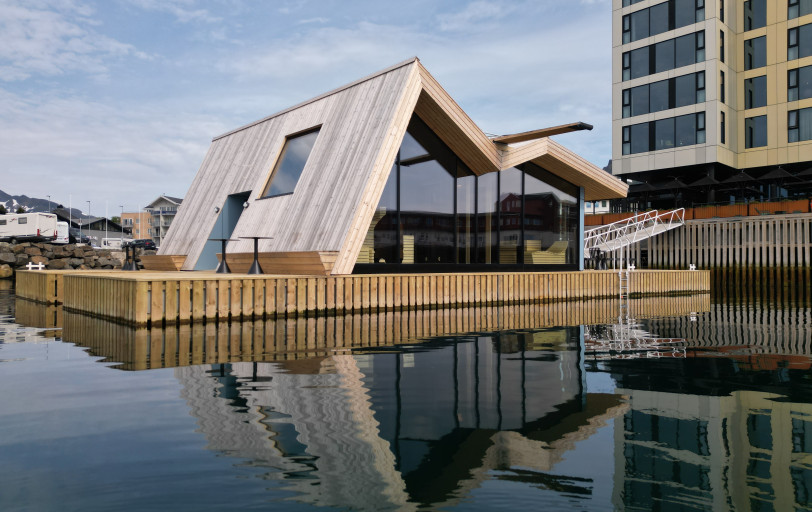
SvalBad Svalbard is one of Longyearbyen’s dedicated sauna destinations, designed specifically around the Arctic bathing experience. The ritual of heat and cold plunge takes on special meaning in this latitude — many visitors describe it as one of the most physically alert they’ve ever felt, the combination of endorphins and Arctic air producing a clarity that’s difficult to achieve elsewhere. Sessions must be booked in advance, and the experience is one of the most genuinely memorable things you can do in Longyearbyen.
For visitors staying at one of Svalbard’s most established hotels, Radisson Blu Polar Hotel provides sauna facilities alongside full hotel amenities — a reliable and comfortable option for those who want warmth and wellness integrated into their base. The hotel’s position in central Longyearbyen makes it a convenient starting point for guided expeditions across the archipelago.
Longyearbyen: The World’s Northernmost Settlement
Longyearbyen is the administrative centre of Svalbard and the world’s northernmost town with a permanent civilian population. It’s a small place — around 2,400 people — with an outsized personality shaped by its isolation, its history of coal mining, and its ongoing role as a hub for Arctic research and tourism. The town has a surprisingly good restaurant scene, several museums, and a community feel that comes from living somewhere that demands collective effort.
One of Svalbard’s most unusual aspects: you don’t need a passport to enter. Under the Svalbard Treaty of 1920 (a Schengen treaty exception), nationals of all signatory countries have the right to enter and reside in Svalbard without standard immigration controls. This makes it one of the few genuinely borderless places in the world, and a curiosity worth mentioning to anyone who thinks they know how international travel works.
The Svalbard Museum in Longyearbyen covers the archipelago’s natural history, its human settlement, and the role of the various countries that have operated here — including the Norwegian and Russian mining communities. It’s a thoughtful and well-curated introduction to a place that rewards understanding.
Wildlife & Expedition Activities
Polar Bear Safaris
Svalbard has a polar bear population that exceeds its human one. Polar bear safaris — conducted by boat in summer and snowmobile in winter, always with an armed guide — are among the most powerful wildlife experiences available anywhere on Earth. Spotting a polar bear in its natural habitat, moving across sea ice or swimming between floes, is the kind of moment that recalibrates your sense of scale. Responsible operators adhere strictly to guidelines that prioritise animal welfare and visitor safety.
Glacier Hikes
More than half of Svalbard’s land surface is covered by glaciers, and guided glacier hikes are one of the signature activities of the archipelago. Routes range from accessible walks on stable glacier tongues to more technical ice-climbing experiences for those with the appropriate skills and equipment. The ice up close — blue-white, fractured, ancient — is visually extraordinary, and the crevasse fields require a qualified guide at all times.
Dog Sledding & Snowmobile Expeditions
In winter, dog sledding is one of Svalbard’s most beloved traditions. The archipelago has a long history of sled dog use, and guided mushing excursions range from short introductory rides to multi-day expeditions across the plateau. The experience of moving through an Arctic landscape in silence, pulled by a team of huskies, is one of those things that resists easy description.
Snowmobile expeditions cover significantly more ground and allow access to remote corners of the archipelago that would otherwise require days of travel on foot. Day and multi-day tours head north and east into the Svalbard wilderness, past frozen fjords and abandoned settlements.
Arctic Boat Safaris
Summer opens the waters around Svalbard for boat safaris that combine wildlife watching with glacier viewing. Walrus colonies haul out on rocky beaches, Arctic foxes patrol the shorelines, and reindeer — a small, stocky subspecies unique to Svalbard — graze wherever the ground is not covered in ice. Beluga whales are occasionally spotted in the fjords, and bird cliffs host hundreds of thousands of seabirds during the breeding season.
Seasonal Extremes
Midnight Sun (April–August)
The midnight sun — the sun remaining above the horizon around the clock — is continuous in Svalbard from roughly mid-April to late August. The practical effect is disorienting in the best possible way: you lose all instinct about what time it is, and activities that would be unthinkable at midnight on the mainland feel entirely natural here. Snowshoeing in perpetual daylight across the plateau is one of the more surreal experiences on offer.
Northern Lights (October–February)
The polar night — when the sun doesn’t rise at all — runs from late October to mid-February, and this is prime season for the Northern Lights. Svalbard’s latitude means that displays are frequent and often intense. Guided snowmobile and snowshoe tours to dark-sky viewpoints away from Longyearbyen’s light pollution are the best way to maximise your chances of seeing a strong aurora.
The Pyramiden & Barentsburg Ghost Towns
One of Svalbard’s most atmospheric excursions leads to Pyramiden, a former Soviet mining settlement abandoned in 1998. Reaching the site requires a boat journey from Longyearbyen, and the town itself — preserved in a state of arrested decay, with Soviet-era murals, a hotel, and a swimming pool still broadly intact — is unlike anything else in the Arctic. Barentsburg, still an active Russian mining settlement, provides a counterpoint: a living community, complete with a brewery and cultural centre, operating under conditions that most visitors find genuinely impressive.
Getting to Svalbard
Svalbard Airport Longyearbyen (LYR) has direct flights from Oslo (approximately 3 hours) and Tromsø (approximately 1.5 hours). Multiple airlines serve the route, and prices are relatively reasonable by Norwegian standards. There is no road connection between Svalbard and the mainland — and no roads between settlements on the archipelago itself, making guided transport essential for any expedition beyond walking distance of Longyearbyen.