Winter Wellness in Norway — Saunas, Snow & Arctic Recovery
Norway in winter is magical — and the sauna tradition comes alive. Discover the best winter wellness experiences combining saunas, snow bathing, and Arctic nature.
Norway in winter is not for everyone. The days are short — in the far north, barely existent. The temperatures drop to levels that require serious preparation. The landscape is locked under snow and ice for months at a time.
And yet Norwegian winter has a devoted global following. Because when the darkness is complete and the cold is total, the sauna has never felt better.
This is the paradox at the heart of Nordic wellness culture. The worse the weather outside, the more meaningful the ritual inside. The cold is not the enemy — it is the other half of the experience.
Why Winter Is the Best Time for Sauna in Norway
Ask any Norwegian sauna regular and they will tell you: summer sauna is pleasant, but winter sauna is something else entirely.
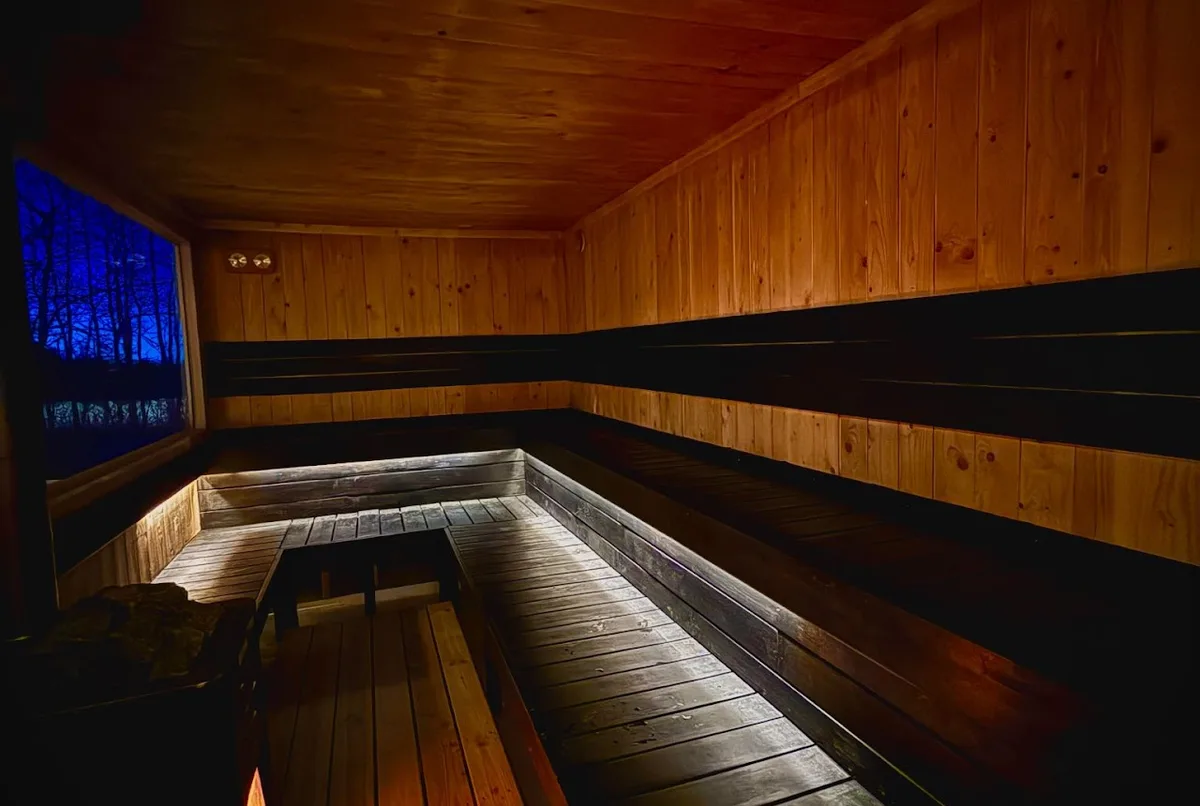
The contrast is the key. At 80–90°C inside, with temperatures of -10°C or -20°C outside, stepping out of the sauna door is a full-body event. Every nerve ending fires. The cold air hits exposed skin and produces an immediate, involuntary gasp. It is uncomfortable for about fifteen seconds, and then something shifts — the body’s thermoregulatory system kicks in, endorphins flood, and what follows is a sensation of warmth and wellbeing that no amount of heated indoor comfort produces.
Winter darkness also removes distraction. There is no blue sky, no long evening light pulling your attention to other activities. The sauna is the destination, fully. You sit in the heat, you breathe the steam, you let the week — or the year — leave your body.
Snow Bathing — Rolling in the Snow Instead of Cold Water
When there is snow on the ground, many Norwegian sauna practitioners skip the cold plunge entirely and go straight into the snow. Rolling in snow after a sauna session is an old Scandinavian practice that produces a different sensation to cold water immersion — less sudden shock, more full-body tingle, followed by an intense warming rebound as you return to the sauna.
Snow bathing is more accessible than it sounds. The snow does not need to be deep — a clean, fresh layer is ideal. The technique is simple: walk out of the sauna, lie or roll in the snow, stand up, return to the heat. Many experienced practitioners extend the time in the snow gradually over multiple sessions.
For visitors, snow bathing is easiest at dedicated winter sauna destinations that have managed outdoor spaces. Rondane Spa and Hindsæter Fjellspa in the Jotunheimen area both offer mountain environments where snow cover is reliable from November through April and managed grounds make the practice safe and comfortable.
Best Ski Resort Saunas
Norway’s ski resorts have long understood that the sauna belongs at the end of the ski day, not just the gym. The combination of a full day on the mountain followed by sauna and recovery is a core part of Norwegian ski culture.
Skistar Lodge Trysil at Trysil — Scandinavia’s largest ski resort — includes sauna facilities designed specifically for après-ski recovery. The resort’s scale means well-maintained pistes and a developed wellness infrastructure alongside them.
At Hafjell and Kvitfjell, the nearby Sus Sauna Mosetertoppen offers a dedicated sauna experience in a ski resort setting, with views over the valley and easy access after a day on the slopes.
Wonderinn Arctic takes the ski resort sauna concept in a different direction — stay in a glass-cabin accommodation designed for aurora watching, with sauna as a core part of the winter experience. It is as much art installation as accommodation.
Northern Lights Sauna Experiences
One of the great gifts of a winter sauna in northern Norway is the possibility of the Northern Lights overhead. This combination — heat, cold, and aurora — is covered in depth in our guide to chasing the Northern Lights in Norway, but the key points bear repeating: Tromsø, Finnmark, and Svalbard are prime aurora zones, and the sauna-aurora combination is genuinely one of the most remarkable experiences Norway offers.
Barents Sauna Camp in Bugøynes sits on Norway’s northeastern coast with unobstructed views northward — ideal aurora territory. SvalBad Svalbard on Svalbard operates through the polar night, when darkness is total and aurora potential is at its peak. Snow Resort Kirkenes combines ice hotel architecture, snow activities, and sauna in the far northeast — one of Norway’s most dramatic winter destinations.
Wellness Resorts for Winter
For those who want a full winter wellness retreat rather than a single sauna session, Norway has several exceptional options.
Bergstadens Hotel Spa in Røros deserves particular mention. Røros is a UNESCO World Heritage mining town with one of Norway’s best-preserved historic centres and a winter atmosphere unlike anywhere else in the country. Snow on wooden buildings, reindeer in the streets, temperatures that regularly drop below -20°C — and a hotel spa that provides the warmth and comfort to balance all of it.
Hurdalsjøen Hotell Spa offers a lakeside wellness resort within reasonable distance of Oslo — ideal for those who want a winter wellness weekend without long-haul travel. The frozen lake provides a dramatic backdrop and an ice bathing option for the genuinely committed.
What to Pack for a Winter Sauna Trip
Packing for a Norwegian winter wellness trip requires balancing thermal protection with the practicalities of sauna bathing:
Merino wool base layers — the best all-purpose insulation for the Nordic winter. Merino regulates temperature effectively in both cold outdoor environments and the warm changing areas of sauna facilities.
Insulated, waterproof outer layer — you will be walking between buildings and standing outside in temperatures that require serious outer protection. A down jacket with a windproof shell covers most conditions.
Thermal socks and warm boots — feet get cold fastest in static outdoor conditions. Invest in quality thermal socks and boots rated to at least -20°C if travelling to northern Norway or Svalbard.
Swimwear and towel — as always. Some winter sauna facilities have heated outdoor areas where swimwear is worn between the sauna and the cold element.
A quality headlamp — in deep winter in northern Norway, you will need a headlamp for outdoor activities, evening walks, and navigating between facilities in the dark. It doubles as useful aurora-watching equipment.
Moisturiser — Arctic cold air combined with repeated sauna heat strips moisture from skin quickly. A quality face and body moisturiser used consistently makes the difference between arriving home refreshed and arriving home dried out.
Norway in winter is challenging and extraordinary in equal measure. The sauna is the key that makes the cold bearable — and then desirable. Come once in winter and you will understand why Norwegians are not just tolerating their climate, but celebrating it.